



Does Fabric Attract Dust? 3 Lazy Hacks to Completely Solve Fabric Shade Cleaning and Maintenance Woes
Let’s answer the burning question immediately: Does fabric attract dust? Yes. By the very nature of static electricity and woven fibers, fabric lampshades will catch airborne dust particles more readily than smooth glass or metal.
However, if this fact is stopping you from adding that beautiful, warm, and highly textural fabric sconce to your hallway or bedroom, you are making a completely unnecessary compromise. The truth that most cleaning blogs won't tell you is this: fabric shade maintenance is only a nightmare if you buy the wrong structure and use the wrong cleaning methods.
By the end of this guide, you will know exactly how to evaluate a fabric wall lamp before purchasing it, ensuring it won't become a dust trap. More importantly, we will share 3 incredibly easy, "lazy" hacks that will keep your fabric shades looking brand new in under 60 seconds a month—without ever taking the lamp off the wall.
Before You Start: The Pre-Purchase Reality Check
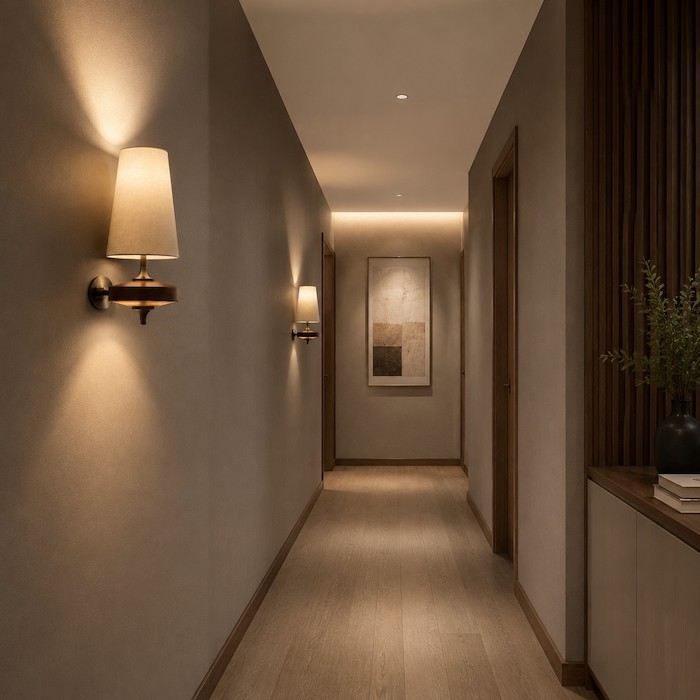
Before we dive into cleaning hacks and selection strategies, you need to confirm whether your space is actually suitable for a fabric wall sconce. Do not buy a fabric lamp if your room fails these basic environmental checks. Take 60 seconds to review these criteria:
- Usage Scenario (The Golden Rule): Fabric sconces belong in "dry zones." This means bedrooms, living rooms, hallways, and dining areas. Judgment: Absolutely do not install fabric sconces in kitchens or poorly ventilated bathrooms. Airborne grease and humidity will turn loose dust into a sticky, impossible-to-clean grime.
- Clearance Space: Is there enough room around the intended installation spot for you to comfortably reach around the shade with a small duster?
- Budget: Are you willing to invest in high-quality woven fabric? Cheap, thin fabric frays quickly during cleaning, while high-density fabric withstands years of dusting.
- Wiring Conditions: Do you have hardwired electrical boxes ready on your walls, or are you looking for plug-in options?
Step 1: Confirm Your Core Lighting Needs
Why do you want a fabric sconce? If your primary goal is bright, directional task lighting for intricate work or illuminating a dark kitchen counter, a fabric shade is the wrong choice.
Fabric shades are designed for ambient lighting. The woven material acts as a natural diffuser, softening harsh LED glares and casting a warm, inviting glow across the wall. This makes them perfect for bedside reading, hallway nightlights, or creating a cozy, relaxing atmosphere in a living room.
Actionable Advice: Ask yourself if you need "illumination" or "atmosphere." If it’s atmosphere, proceed to Step 2. If you need intense brightness, look for metal or glass fixtures with exposed bulbs.
Step 2: Choose the Right Structure and Size
The physical design of the wall lamp dictates 80% of your future cleaning efforts. Many people mistakenly believe that all fabric shades accumulate dust equally. This is false.
The Open-End Strategy: When selecting a fabric wall lamp, strictly avoid designs where the bottom of the fabric shade is completely enclosed or features a solid base acting as a "cup." These designs naturally catch falling dust and dead insects, creating a dark, dirty silhouette at the bottom of the shade when the light is turned on.
Instead, opt for an open-top and open-bottom design. Because both ends are open, dust has a harder time settling inside the shade. The Size Rule: To avoid a cluttered look, the width of the sconce should not exceed 1/3 of the immediate blank wall space it occupies.
Step 3: Match Material and Style for Easy Maintenance
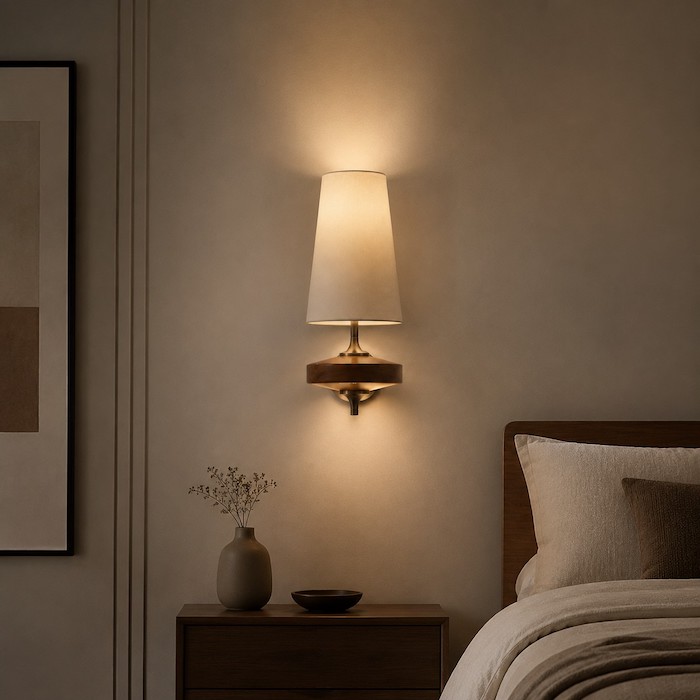
Not all fabrics are created equal. The tighter the weave, the less dust it will trap.
| Fabric Type | Dust Attraction | Verdict |
|---|---|---|
| Velvet | Extremely High | Avoid |
| Loose Linen | High | Not Recommended |
| High-Density Woven | Low to Medium | Highly Recommended |
The Power of Mixed Materials (Modern Wood): We highly recommend pairing fabric lampshades with smooth, natural materials like wood. Wooden bases are incredibly easy to care for—just a gentle wipe is all it takes. Want to learn more about interior design trends? Read our article, "5 Core Trends in Wooden Wall Lamps."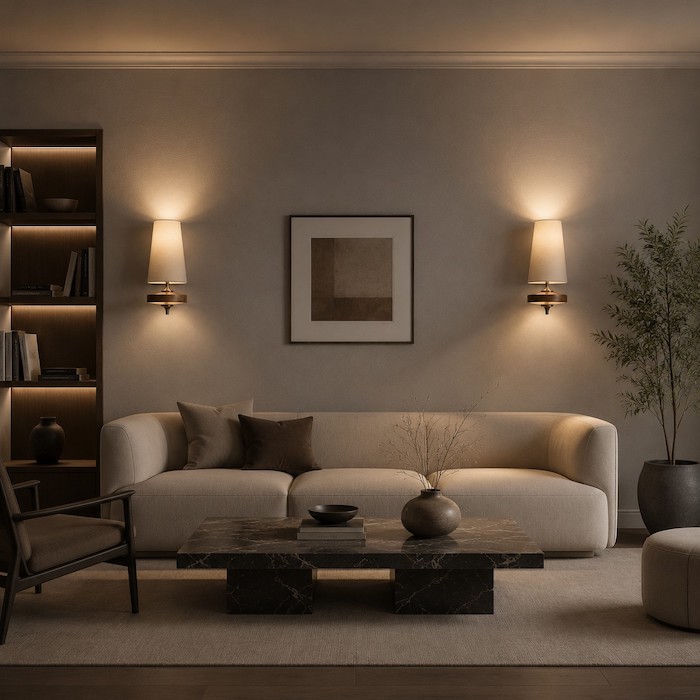
Step 4: Check Installation Conditions
The Golden Cleaning Height: Whenever structurally and visually possible, install your fabric wall sconces at a height of 1.5 meters to 1.7 meters from the floor. This is eye-level for ambient wall lighting and allows any adult to comfortably reach out and clean the shade while standing flat on the floor.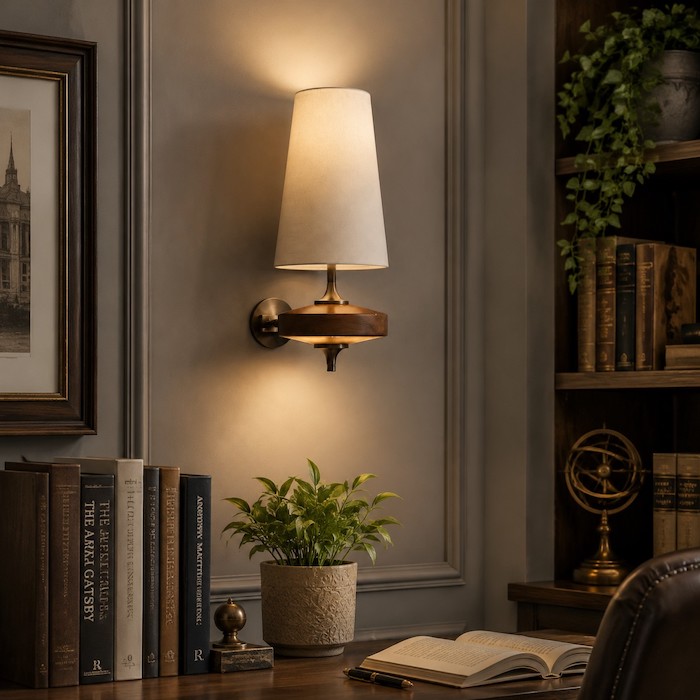
Step 5: Avoid Common Mistakes & Use the 3 "Lazy" Hacks
Never use water on a standard fabric sconce! It causes dust to turn into a muddy paste. Rely on these dry cleaning hacks instead:
Hack 1: The Lint Roller Trick
Support the back of the lampshade with one hand. With your other hand, gently roll a standard, sticky clothing lint roller horizontally across the fabric surface. Do this once every two weeks.
Hack 2: The Hairdryer Blowout
If your sconce has pleats, grab your hairdryer. Set it to COLD air only. Blow from the top of the shade downward to push away static dust.
Hack 3: The Microfiber Paintbrush
Use a clean, soft-bristled, unused makeup brush to sweep the inner rims of the shade and the smooth wooden backplate. It takes 10 seconds.
Final Checklist: Are You Ready to Buy?
- [ ] Location: Hallway, bedroom, or living room (No kitchens/bathrooms).
- [ ] Structure: Open top and bottom design.
- [ ] Material: High-density woven fabric.
- [ ] Height: Planned between 1.5m and 1.7m.
- [ ] Tools: You have a lint roller and cold-air hairdryer ready.
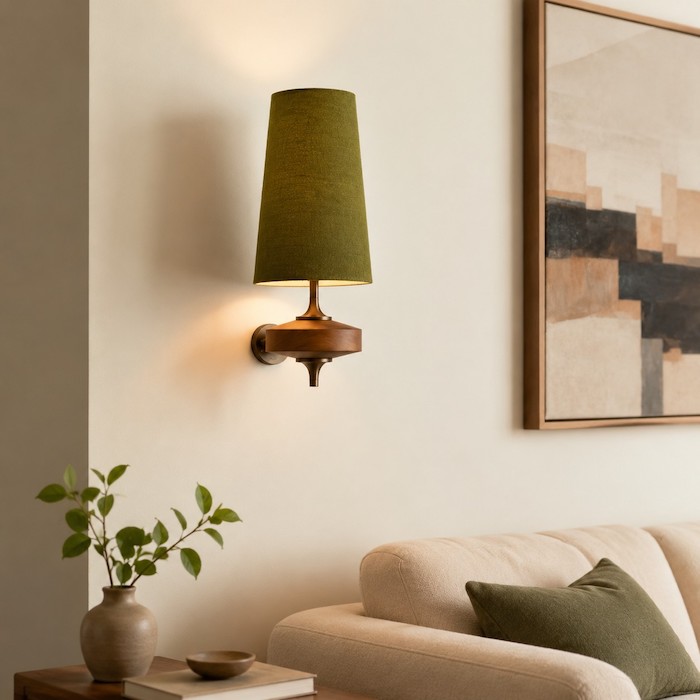
Recommended Products: Meet Your Perfect Match
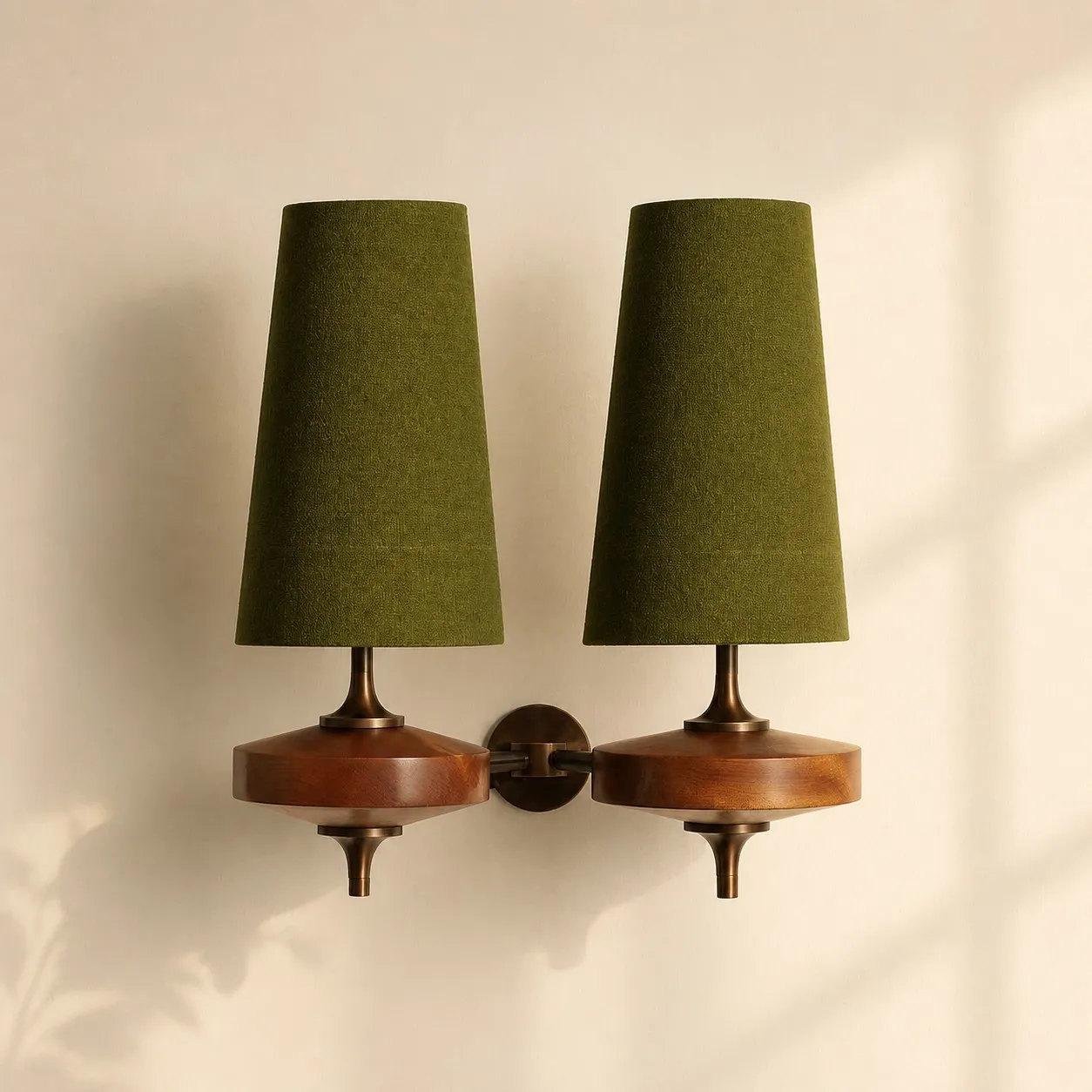
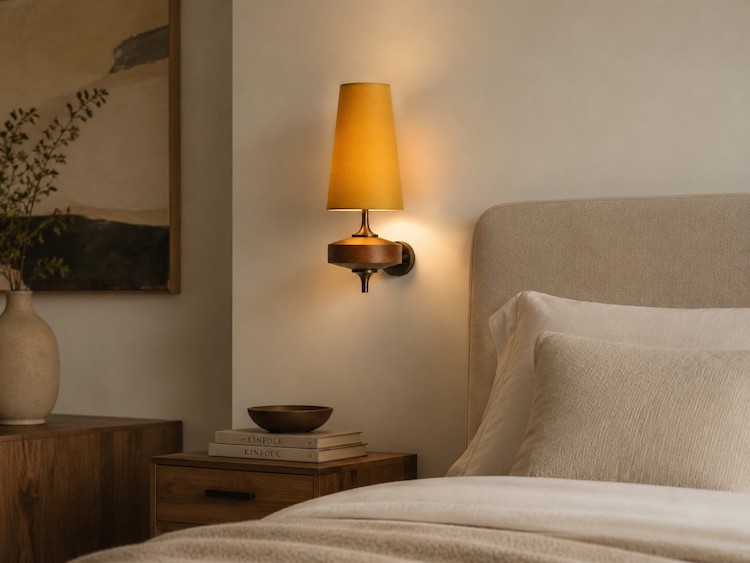
If you are looking for a fixture that aligns with all these criteria, check out the Hour Rho Wall Lamp - Modern Wood Wall Sconce with Fabric Shade.
It features high-density fabric, an open-ended structure for easy maintenance, and a sleek wood backplate that is incredibly easy to keep dust-free.
FAQ: Clearing Up Last-Minute Doubts
Q1: Will a fabric shade turn yellow?
A: High-quality fabrics won't turn yellow unless exposed to excessive heat. Use LED bulbs to ensure safety.
Q2: What bulb is best?
A:Always use LED bulbs. They emit zero forward heat. Read our Which bulb should I choose for a fabric and wooden wall lamp?..
Q3: What if I get a smudge on it?
A: Do not soak. Use a slightly damp microfiber cloth with a tiny drop of clear, mild soap to dab the spot gently.