

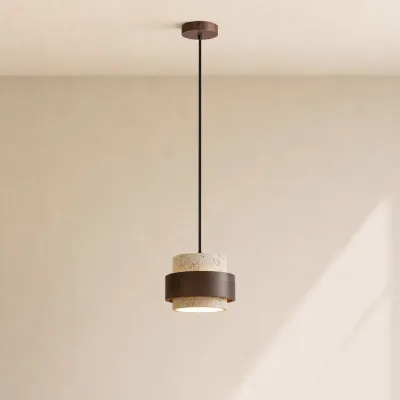


How to Create the Perfect Layered Lighting for Your Home
Have you ever walked into a beautifully decorated room, only to feel an inexplicable sense of discomfort or coldness? The furniture might be bespoke, the color palette expertly curated, and the architecture flawless—yet the space feels flat, uninspired, or worse, reminiscent of a clinical waiting room.
More often than not, the culprit behind this atmospheric mismatch is lighting.
For decades, standard residential design relied on a single, aggressive overhead light source to illuminate an entire room. We turned on a switch, flooded the space with a harsh, uniform glare, and called it a day. But our homes are dynamic environments. We use them to host lively dinner parties, focus on complex work, unwind with a book, and transition into restorative sleep. A single ceiling fixture simply cannot satisfy these diverse emotional and practical needs.
The secret weapon of professional interior designers is layered lighting. By deliberately combining different types of light sources across varying heights, angles, and intensities, you can add profound visual depth, accentuate architectural features, and transform your home’s ambiance at the flick of a switch.
This comprehensive guide will walk you through the art and science of mastering layered lighting, helping you shift your perspective from merely making a room "bright" to making it truly feel like home.
1. The Anatomy of Layered Lighting: The Rule of Three
To build a sophisticated lighting scheme, you must view your room as a blank canvas where light behaves like paint. Designers divide illumination into three distinct layers: Ambient, Task, and Accent. Each layer serves a unique psychological and functional purpose, and they must overlap seamlessly to create a cohesive environment.
When these three layers interact correctly, they eliminate harsh contrast, soften shadows, and guide the eye naturally through the room. Applying Organic Modern interior design principles to these layers ensures that functionality coexists harmoniously with natural aesthetics. Let's look at how these layers contrast and cooperate:
| Lighting Layer | Primary Purpose | Common Fixture Types | Ideal Effect |
|---|---|---|---|
| Ambient | General illumination & safety | Flush mounts, chandeliers, recessed cans | A soft, glare-free wash mimicking daylight |
| Task | Focused light for activities | Floor lamps, desk lamps, pendants | Crisp, targeted light preventing eye strain |
| Accent | Visual drama & perimeter warmth | Wall sconces, picture lights, uplights | Intimate glows that add architectural depth |
Understanding this structural blueprint is the first step. The real magic happens when we explore how to curate each layer with intention, paying close attention to the textures, materials, and form of the fixtures themselves.
2. The Ambient Layer: Establishing the Soft Foundation
The ambient layer is the baseline of your room. It is the first light you turn on when you enter a dark space, providing the general illumination necessary to navigate safely. However, because ambient light covers the largest surface area, it is also the easiest layer to ruin.
Many homeowners default to a matrix of recessed downlights. While functional, relying solely on downlights forces light straight down, casting deep, unflattering shadows under your eyes, nose, and furniture. To create a welcoming home, your ambient base should offer diffused, multi-directional illumination.
The material of your primary fixture plays a massive role here. Instead of bare glass or cold metal, which can emit a piercing, directional glare, turning to natural textiles like linen and woven fabrics is a game-changer. When light passes through a high-quality fabric shade, the individual fibers scatter the photons. This creates a beautifully soft, omnidirectional glow that bounces gently off the ceiling and walls.
Bringing It to Life: The Ceiling Statement
When choosing your central ambient source, look for fixtures that marry structural interest with premium diffusion. A low-profile, high-impact choice can anchor an entire room's design language.
The Axis Scalloped Linen Drum Flush Mount Ceiling Light serves as an impeccable foundation for ambient lighting. What makes this specific fixture a designer favorite is its balance of form and function. The classic drum silhouette provides an expansive surface area for light to filter through, ensuring the ambient wash is wide and even. Meanwhile, the scalloped linen border introduces a subtle, geometric texture that breaks up the flat plane of the ceiling.
Investing in statement fixtures is a classic design move, but relying solely on eye-level aesthetics often leads to a major pitfall. Common home lighting mistakes usually stem from a lack of balance, where decorative elements overshadow functional needs, or scale is entirely misjudged against room proportions.
It proves that functional base lighting doesn't have to look industrial; it can be soft, tactile, and rich with tailored character. If you are navigating restrictive clearances, understanding how to choose between flush mounts and semi-flush mounts for low ceilings will ensure you maximize your ambient spread without compromising scale.
3. The Task Layer: Sculptural Functionality
With your ambient foundation set, the next step is to analyze how you live within the space. Where do you sit to answer morning emails? Where do you curl up with a book after a long day? These dedicated activity zones require the Task Layer.
Task lighting should never feel like an afterthought. It needs to be bright enough to prevent eye strain, yet localized enough that it doesn’t disrupt the relaxing mood of the rest of the room. The biggest mistake people make with task lighting is choosing fixtures that look strictly utilitarian—like office desk lamps—which can destroy the residential warmth of a living room or bedroom.
The modern solution is to look for sculptural task lighting. A phenomenal floor lamp, for instance, serves a dual purpose. By day, its silhouette acts as a piece of three-dimensional art that fills an empty corner or frames a seating arrangement. By night, it creates a dedicated sanctuary of light.
Bringing It to Life: The Ultimate Reading Nook
To execute this layer flawlessly, position your task lighting at a height that casts light directly onto your activity plane without shining directly into your eyes when seated.
The Oslan Anais Floor Lamp – Mid Century Modern Scalloped Fabric Floor Lamp bridges the gap between high design and pure utility. Standing tall next to an armchair or at the edge of a sectional sofa, this lamp offers a directed pool of downward light perfect for focused tasks. Its mid-century modern profile introduces elegant vertical lines to the room, drawing the eye upward and making the ceilings feel higher.
The genius of its design lies in the continuation of the scalloped fabric theme. Because the shade is wrapped in premium fabric, it doesn't just shoot a harsh spotlight downward; it softly glows along its perimeter, blending the task layer seamlessly into the ambient background. If you're looking to carve out a quiet sanctuary, consider our detailed breakdown on designing the ultimate cozy reading nook.
4. The Accent Layer: Painting with Textures and Shadows
If ambient lighting provides safety and task lighting provides functionality, then accent lighting provides the poetry. This is the layer that turns a house into a sanctuary, creating the moody, layered, boutique-hotel vibe that many crave but few know how to replicate.
Accent lighting works by drawing attention to specific visual elements: a piece of textured wallpaper, a gallery wall, an architectural archway, or a forgotten corner. The goal here is not to illuminate the middle of the room, but to expand its perceived boundaries by lighting its perimeters.
Wall sconces are the ultimate champions of the accent layer. Placed at eye level, they break up the vertical expanse of empty walls. Instead of throwing light down from the ceiling, they cast gentle washes of light upward and downward, highlighting the inherent texture of your walls and creating a rhythm of light and shadow that feels incredibly intimate.
Bringing It to Life: Material Contrast and Eye-Level Warmth
To achieve true luxury in interior lighting, you must mix your materials. If your furniture consists of soft fabrics, adding an accent light that incorporates organic textures like natural wood creates a beautiful sensory contrast.
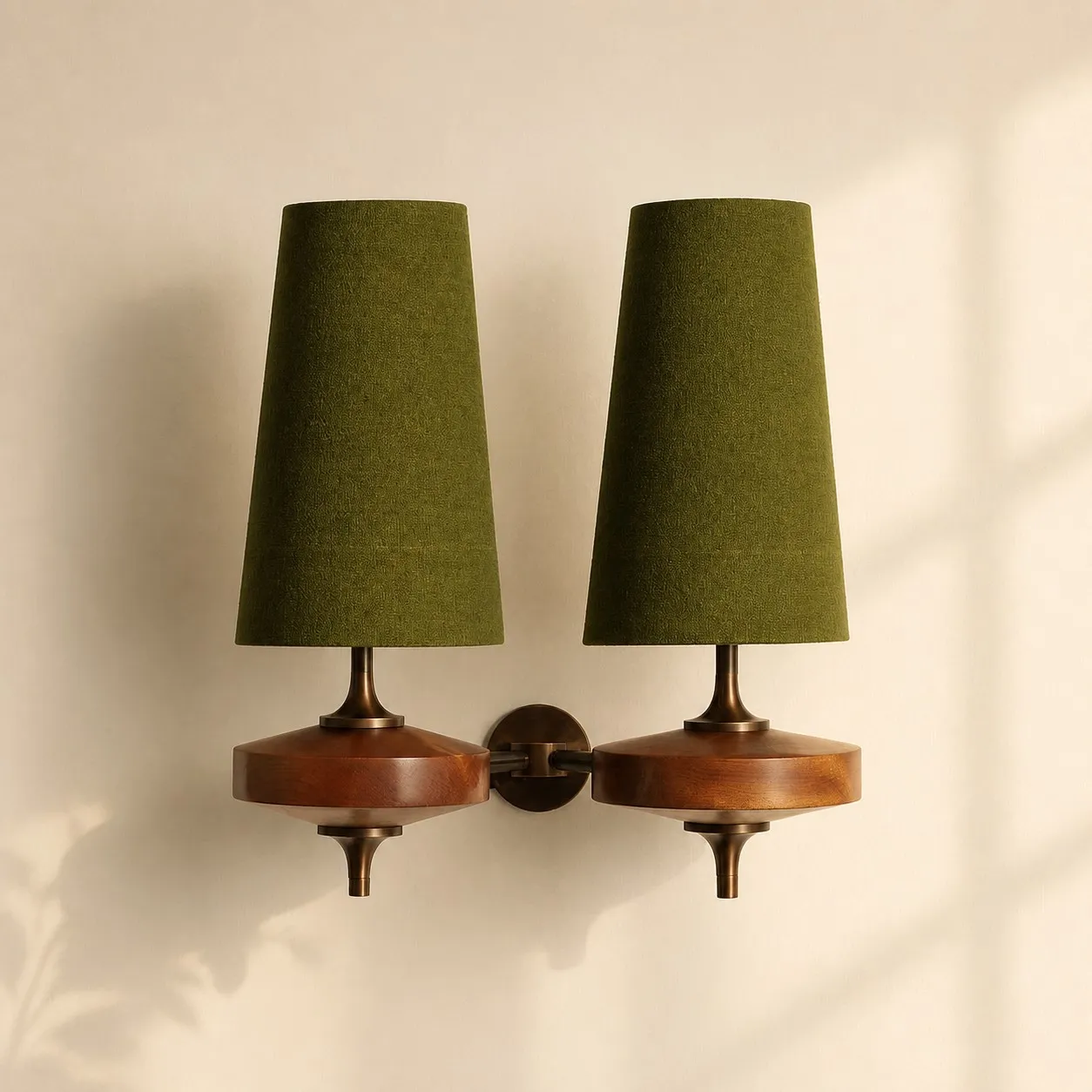
The Hour Rho Wall Lamp - Modern Wood Wall Sconce with Fabric Shade is a masterclass in accentuation. By combining a crisp fabric shade with the rich, grounded warmth of a modern wood backing, this sconce adds a tactile dimension to your walls even when switched off. When illuminated, the light grazes the wood grain and casts a comforting, indirect glow onto the surrounding wall surface.
5. The Designer’s Symphony: Pro-Tips for Seamless Execution
Now that you have selected the perfect components for your ambient, task, and accent layers, how do you ensure they play together like a well-rehearsed symphony rather than a chaotic wall of noise?
Implementing a few non-negotiable designer rules will help you control and maximize your new layered setup:
Embrace the Power of Dimmers
The golden rule of lighting design is simple: Every single light source should be dimmable. A room that feels bright and energetic at 10:00 AM during a cleaning session needs to feel completely different at 9:00 PM over a glass of wine. Dimmers allow you to manually adjust the volume of each layer, giving you total control over the shifting mood of your home.
Maintain Color Temperature Consistency
Have you ever noticed a room that feels strangely disjointed, almost vibrating with an unpleasant energy? Look at the bulbs. Mixing a cool daylight bulb (5000K) in a ceiling fixture with a warm yellow bulb (2700K) in a floor lamp creates visual chaos that causes subconscious headaches.
To prevent a space from feeling clinical, you must choose the right color temperature for different rooms. For living rooms, bedrooms, and dining areas, stick strictly to warm white color temperatures—ideally 2700K to 3000K. This mimics the rich, soothing amber tones of candlelight and early evening sunset, which naturally signals your brain to relax.
Overlay the Perimeters
When positioning your lamps and sconces, avoid creating isolated "islands of light" surrounded by vast seas of complete darkness. Ensure that the outer perimeter of your floor lamp’s glow gently kisses the lower edge of your wall sconce’s wash, which in turn blends into the overhead diffuse light of your central flush mount. This overlap is what creates the illusion of depth, making your rooms feel significantly larger and vastly more cohesive.
Final Thoughts: Curating an Experience
Mastering the art of layered lighting fundamentally transforms how you experience your home. It moves you away from the rigid utilitarianism of a single switch and invites you to become the curator of your own environment.
By starting with a soft, texturally rich ambient base like the Axis Flush Mount, inserting a sculptural, functional zone with the Oslan Anais Floor Lamp, and anchoring your walls with the organic warmth of the Hour Rho Sconce, you establish a visual rhythm that is balanced, functional, and deeply comforting.
Stop settling for flat, harsh spaces. Pay attention to the weave of your shades, the warmth of your bulbs, and the height of your fixtures. Your home deserves to be seen in its very best light.
Explore our complete curation of thoughtfully crafted, designer-approved lighting fixtures at Ome Lighting to start building your perfect layers today.
Frequently Asked Questions
What is the most common mistake in home lighting?
The most common mistake is relying on a single, centralized overhead light source (like a powerful central fixture or a grid of harsh recessed downlights) to light an entire room. This flattens the room's dimension, creates uncomfortable glare, and produces harsh shadows rather than a warm, relaxing atmosphere.
Can I achieve layered lighting if my walls aren't pre-wired for sconces?
Absolutely. You can use plug-in wall sconces equipped with stylish textile cords, or utilize versatile statement floor lamps (like the Oslan Anais) to build out the middle and accent layers without opening up your drywall for electrical rewiring.
What color temperature bulb should I use for a living room?
For living rooms, family rooms, and bedrooms, it is best to stick consistently to warm white bulbs between 2700K and 3000K Kelvin. This range mimics natural sunset tones and incandescent warmth, encouraging relaxation and comfort.
Why are fabric or linen shades preferred for layered lighting?
Fabric and linen lampshades naturally filter and diffuse light omnidirectionally. Instead of focusing a sharp, piercing glare through open glass or shielding it entirely with heavy metal, fabric scatters light rays softly, entirely eliminating hot spots and creating an inviting, cozy glow.