



Low Ceilings Feeling Cramped? Solve the Space Pain Point with the Vertical Elongation Illusion of Wood Fabric Sconces
Walking into a room with a low ceiling often triggers an immediate, unconscious sense of claustrophobia. When the ceiling presses down on you, the entire room feels smaller, darker, and less inviting, regardless of how much square footage you actually have. While you cannot physically raise the roof without a massive architectural overhaul, you can absolutely manipulate how the human eye perceives the space.
By strategically utilizing the vertical elongation illusion provided by slim, wood fabric wall sconces, you can guide the gaze upward and force the visual boundary of the room to expand. Embracing these vertical design elements is the most effective, elegant way to restore a sense of openness and airiness to cramped hallways and low-clearance living rooms.
Quick Answer: How to Make Low Ceilings Feel Taller
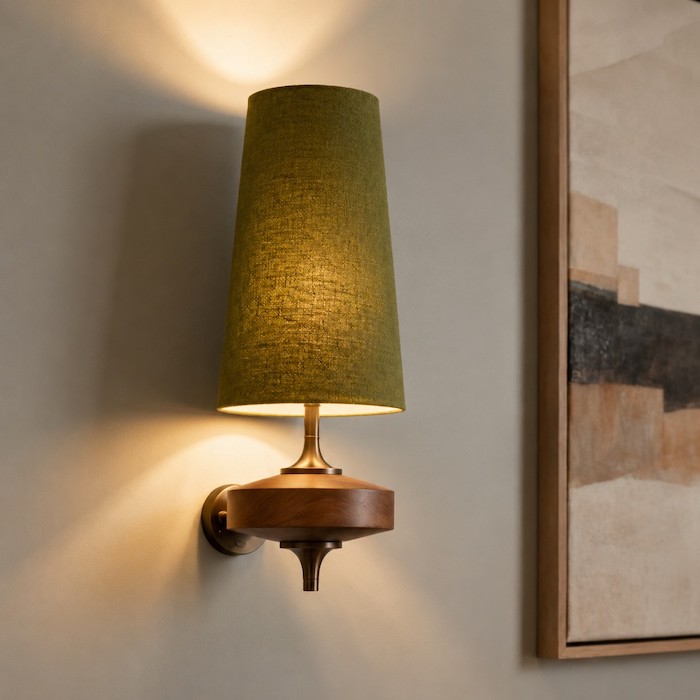
To eliminate the cramped feel of low ceilings, you must replace bulky ceiling flush-mounts and heavy chandeliers with vertically oriented wall sconces. By choosing fixtures that combine linear wood backplates with light-diffusing fabric shades, you create vertical pillars on your walls that trick the eye into seeing more height. Furthermore, these sconces cast a bi-directional glow—pushing light up onto the ceiling to erase dark, heavy corners, while sending soft ambient light downward for practical use.
Core Judgment Criteria for Low-Ceiling Lighting
Before purchasing any lighting for a room with low clearance, you need a strict set of criteria to ensure you are solving the space issue rather than exacerbating it. Your goal is visual continuity and vertical lift. Here is exactly what you should look for, and what you must avoid.
| Design Element | The Right Choice (Expands Space) | The Wrong Choice (Shrinks Space) | Why It Matters |
|---|---|---|---|
| Silhouette & Shape | Tall, slender, linear, and vertically oriented fixtures. | Wide, spherical, bulky, or horizontally spreading fixtures. | Vertical lines draw the eye up, mimicking structural columns. Horizontal lines cut the wall in half, emphasizing a lack of height. |
| Light Direction | Bi-directional (Up and Down lighting) or pure Up-lighting. | Pure Down-lighting (like standard recessed cans or rigid pendants). | Up-lighting bounces off the ceiling, creating a halo effect that blurs the harsh boundary between wall and ceiling, making it feel higher. |
| Materials | Natural vertical wood grain combined with light fabric/linen shades. | Heavy metal domes, dark opaque glass, or overly ornate crystals. | Wood provides organic, grounded verticality. Fabric allows for soft light diffusion. Opaque metals trap light and look visually heavy. |
| Profile (Projection) | Flush-to-wall or low-profile projection (ADA compliant if possible). | Deeply projecting arms or large, flared shade bases. | In tight spaces like hallways, a deep fixture intrudes into the walking path, making the room feel physically narrower. |
Want to dive deeper into minimalist space-saving aesthetics? Search our Modern Minimalist Lighting Fixtures.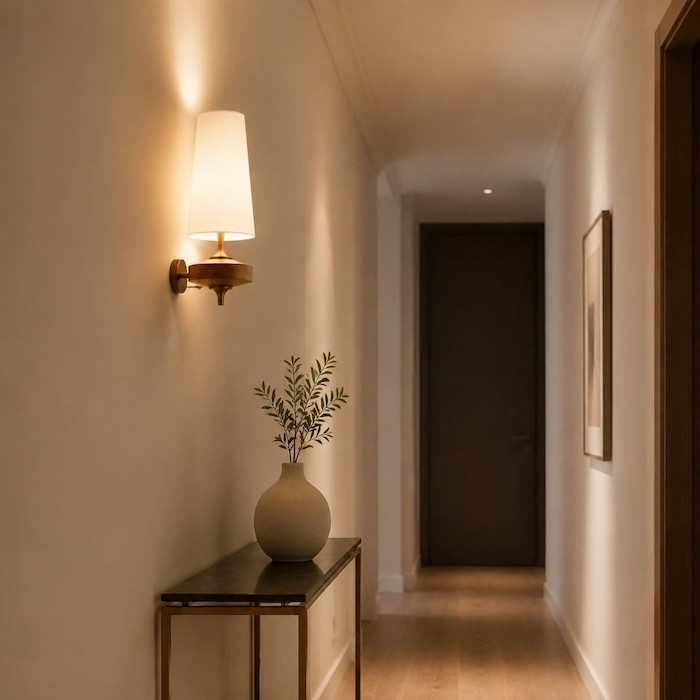
Specific Solutions & Placement Tips for Vertical Elongation
Understanding the theory is only half the battle; how you deploy these fixtures determines their success. Here is how you can use the combination of wood and fabric sconces to engineer the vertical elongation illusion in your most challenging rooms.
1. Harness the Power of the "Up-and-Down" Wash
The greatest enemy of a low ceiling is a shadow. When the corner where the wall meets the ceiling is dark, it creates a hard, oppressive visual border. By choosing a fabric sconce open at both the top and bottom, you achieve a "wash" of light. The upward beam illuminates the ceiling directly above the fixture. Because the fabric shade softens the light, there is no harsh, definitive line where the light stops; instead, it gently fades, essentially blurring the physical boundary of the ceiling and tricking the brain into perceiving infinite space above.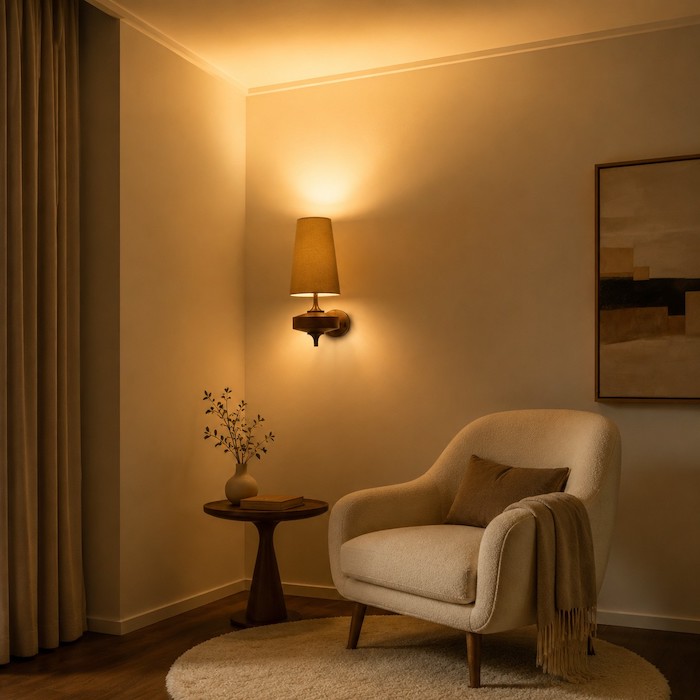
2. The Wood Component: Anchoring the Vertical Line
Why wood? The human eye naturally follows structural lines. When you use a wall sconce with a prominent, vertically aligned wooden backplate or stem, you are installing a visual "arrow" pointing upward. The natural vertical grain of the wood reinforces this upward momentum. Unlike cold metals, wood adds organic warmth, ensuring that while the space feels taller and more modern, it does not feel sterile or uninviting.If you are struggling with a living space that feels a bit too modern or cold, you may find it helpful to see How to Balance the Coldness of Modern Interiors with a Wood Wall Sconce and Fabric Shade, where we explore the art of mixing textures.
3. Hallway Strategy: The Rhythm of Pillars
Hallways with low ceilings often feel like claustrophobic tunnels. To fix this, install low-profile wood and fabric sconces in a rhythmic sequence down the length of the hall.
- Spacing: Place them approximately 60 to 72 inches apart.
- Effect: This repetition creates a colonnade effect. Instead of looking at a low ceiling tunnel, the eye bounces from one vertical light pillar to the next, expanding the perceived volume of the corridor.
Looking for more corridor inspiration? Check out our Hallway Lighting.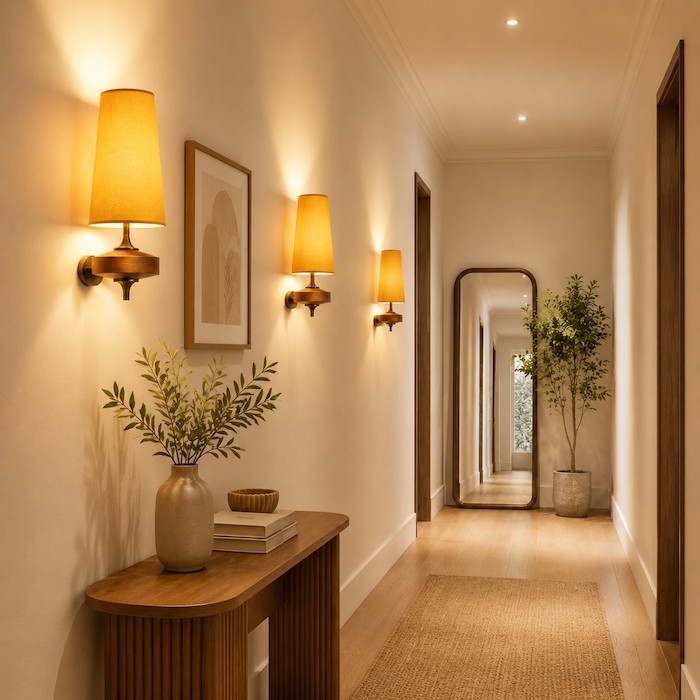
4. Living Room Strategy: Framing and Lifting
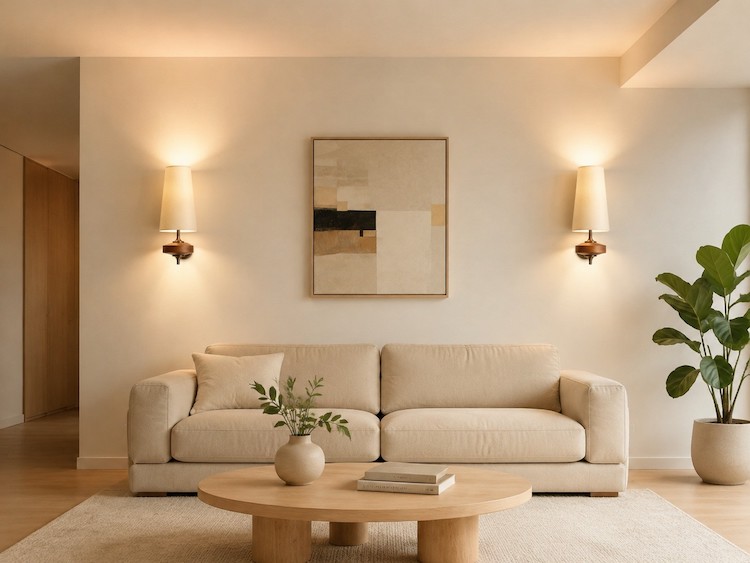
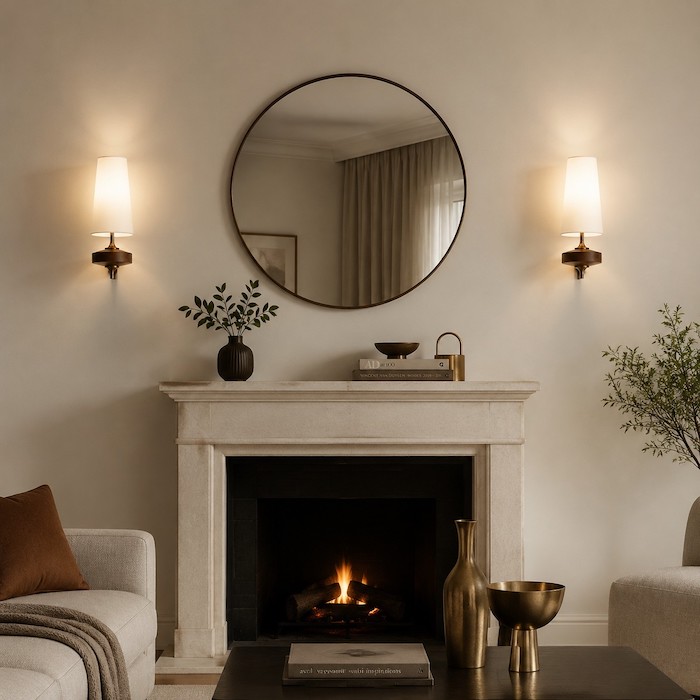
In a living room, use vertical sconces to frame your key furniture pieces, such as the main sofa, a fireplace, or a large piece of art. Mount them at a height where the top of the fabric shade is slightly above eye level when standing (around 60 to 65 inches from the floor). This placement forces occupants to look slightly upward to appreciate the warm glow, physically raising their sightline and making the room feel grander than its actual dimensions.
Common Mistakes to Avoid When Lighting Low Ceilings
When desperate to brighten a cramped room, homeowners frequently make well-intentioned mistakes that accidentally make the ceiling feel even lower. Avoid these traps:
- Relying Exclusively on Recessed Cans (Downlights): While recessed lights save physical space, they only push light straight down. This leaves the ceiling itself entirely in shadow, creating a "cave effect" that makes the ceiling feel heavy and oppressive.
- Choosing Oversized, Flared Lampshades: A massive shade might look luxurious in a showroom, but on a low-ceiling wall, it acts as a visual roadblock. It stops the eye from traveling upward and adds unnecessary visual clutter to a space that desperately needs clean lines.
- Mounting Fixtures Too Low: If you install a wall sconce at chest height, you are compressing the visual field. You are telling the eye that the "active" part of the room is only in the bottom half. Always mount sconces slightly higher to stretch the visual plane.
- Using Harsh, Exposed Bulbs: An exposed bulb in a low room puts the glare right in your line of sight. This is deeply uncomfortable and forces people to look down to avoid the glare, completely ruining any vertical illusion. Always use fabric shades to diffuse the light comfortably.
Featured Design Solution: The Hour Rho Wall Lamp
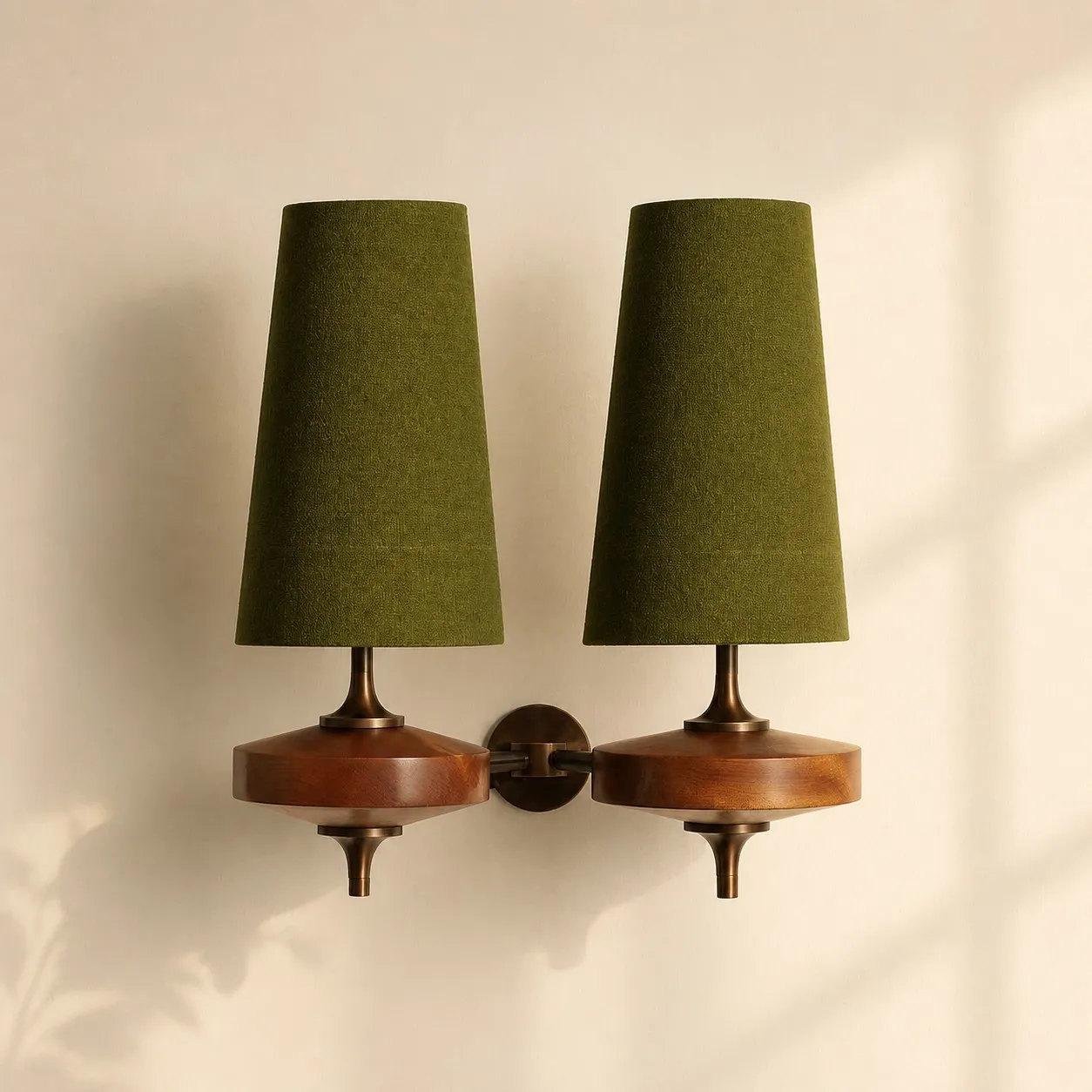
If you are dealing with cramped hallways or a low-ceiling living room and need a fixture scientifically designed to stretch your space, you need to look at the Hour Rho Wall Lamp - Modern Wood Wall Sconce with Fabric Shade for Hallway and Living Room.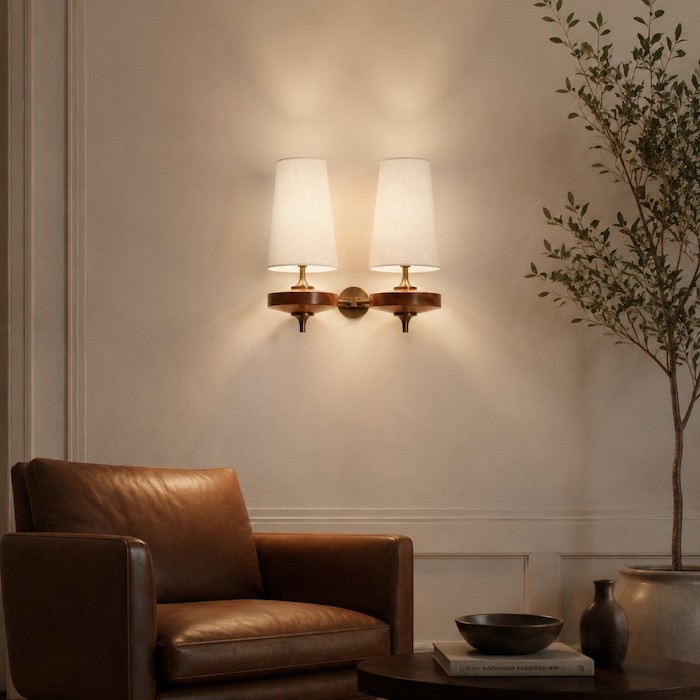
This fixture is the exact embodiment of the vertical elongation illusion we have discussed. It features a remarkably clean, vertically oriented wooden body that immediately establishes a strong upward line against your wall. The premium, light-colored fabric shade wraps the light source, delivering that crucial bi-directional up-and-down glow without any harsh eye-level glare.
Because of its sleek, low-profile design, it hugs the wall closely, ensuring it never intrudes into your walking path—making it the ultimate problem-solver for tight corridors. The natural warmth of the wood grounds the modern aesthetic, while the soft diffusion of the fabric shade actively pushes the dark corners of your ceiling away. It is not just a light fixture; it is a spatial engineering tool designed to make your home feel larger, airier, and more breathable.
Explore our full range of space-saving designs in our Wall Sconces Collection.
FAQ on Lighting Cramped Spaces
For more installation tips and detailed measurements, visit our Comprehensive Sconce Placement Guide.