

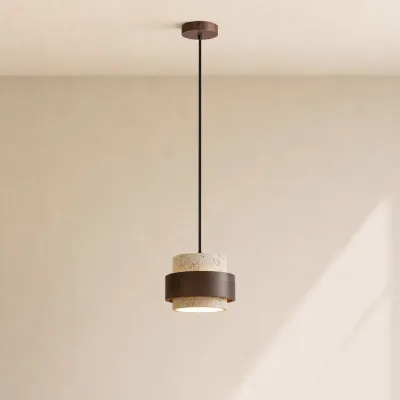


How to Read a Wood-and-Fabric Sconce Before You Buy: Grain, Shade and Glow Explained
A good wood-and-fabric sconce is not simply a wooden ornament with a shade attached. It is a small lighting system. The wood affects visual warmth, the fabric controls how the bulb is seen, and the bulb determines usable brightness and color. Judge all three together, then confirm scale and installation. That approach is far more reliable than choosing from a styled photograph alone.
Start With the Job, Not the Finish
Write down what the light must do before considering wood tone or shade color. A hallway sconce mainly supports orientation and atmosphere. A bedside fixture may need to help with reading. A living-room sconce often fills a darker vertical surface while table and ceiling lights do the practical work.
- Ambient layer: prioritise a comfortable field of light and visual softness.
- Accent layer: prioritise shape, wall texture and a controlled pool of light.
- Task layer: verify bulb lumens, placement and whether light reaches the work surface.
If one wall light is expected to illuminate an entire room, the plan is usually too fragile. Treat the sconce as one layer and confirm what will provide the remaining light.

Read the Product Page Like a Specification Sheet
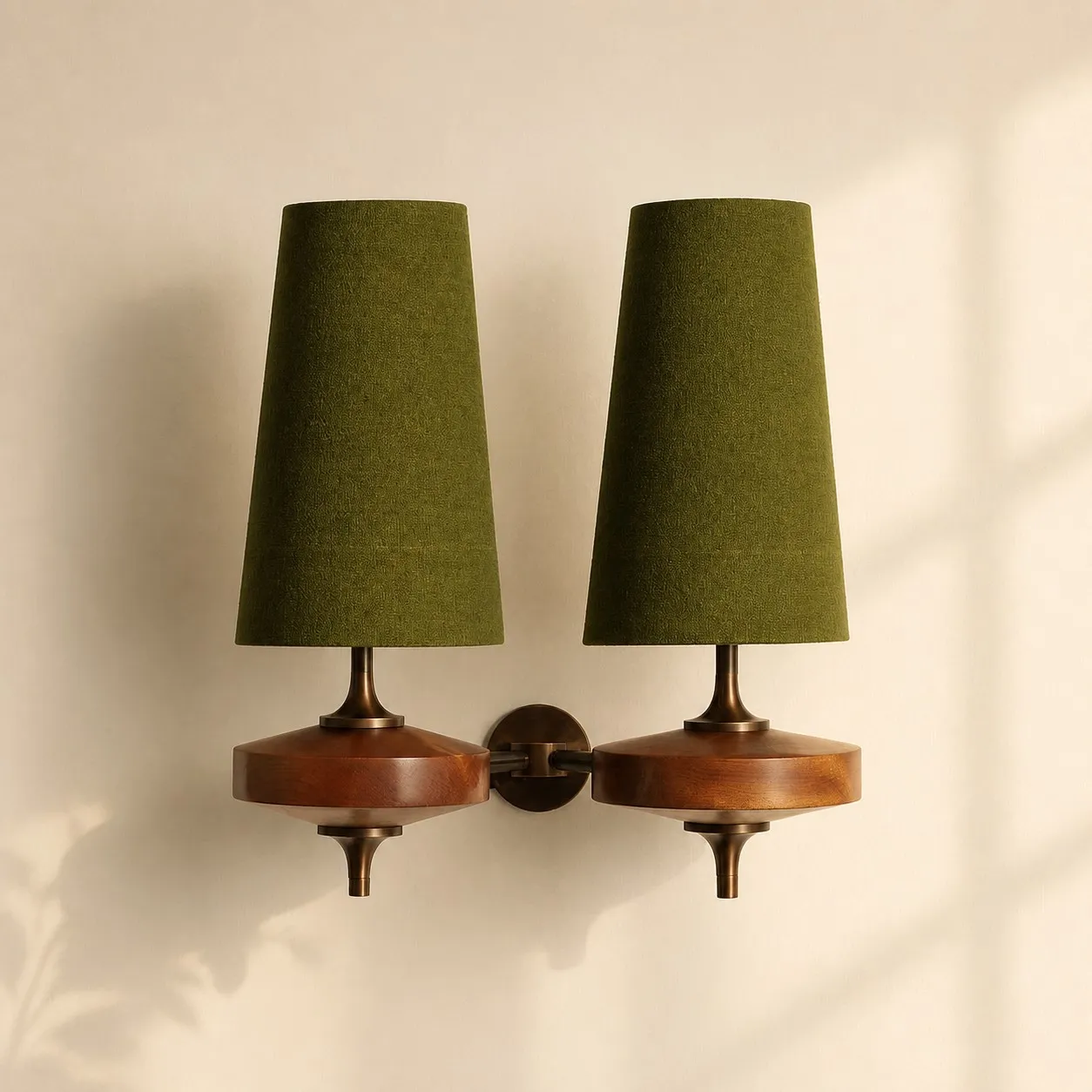
Separate what the page states from what the photography merely suggests. The Hour Rho page identifies wood, metal and fabric, a hardwired installation, one- and two-light versions, and several shade colors. Those are usable facts. It does not give you permission to name a tree species, claim a particular fabric fibre or promise a measured room brightness.
Use three columns in your notes: confirmed, not disclosed and ask before ordering. Put the wall-box condition, switching plan, bulb fit and local installation requirements in the last column if they are not clear. Renters should resolve power and mounting restrictions before styling; that decision belongs to Quiet Luxury Without the Mortgage: How the 2026 Rental Generation Uses Wireless Wood Sconces for Damage-Free Upgrades, rather than being hidden at the end of a product comparison.
What Wood Grain Can and Cannot Tell You
Wood introduces irregular lines and tonal movement that manufactured flat finishes do not reproduce in quite the same way. That variation is part of the appeal, but it also means two pieces may not look identical. The USDA Forest Products Laboratory notes that variability is normal in wood because it is a natural material. Grain direction, porosity and finishing can also change how a surface accepts color and reflects light.
Use product photographs to assess the overall family of the finish: light or dark, red or neutral, quiet or strongly figured. Do not use them to diagnose species or exact color. Screen settings, room light and editing can all shift appearance. A practical rule is to coordinate undertones rather than trying to match every wooden object. A walnut-like fixture can sit comfortably beside lighter oak furniture when both feel warm and the room repeats each tone at least once.
How Fabric Changes the Shape of the Glow
A fabric shade reduces direct sight of the lamp and turns the shade itself into a luminous surface. The result usually feels calmer than an exposed bulb, but “soft” does not mean “bright enough.” A pale shade often passes more light outward than a saturated shade; a dense weave can appear more sculptural while sending a larger share of light through the open top and bottom.
Check the shade from the position where people will actually sit or walk. If the bulb is visible from below at eye level, glare may remain. If the shade is very opaque, the wall may receive attractive upward and downward pools while the centre of the room stays dim. This is why fabric, opening shape and mounting height must be assessed together.
Choose the Bulb by Lumens, CCT and CRI
The U.S. Department of Energy recommends comparing brightness in lumens rather than treating watts as light output. Watts tell you power input. The label should also show correlated color temperature (CCT), which describes whether the light appears warm or cool, and often color rendering index (CRI), which indicates how faithfully colors appear compared with a reference source.
| Label item | What it answers | Useful buying rule |
|---|---|---|
| Lumens | How much visible light the bulb emits | Choose for the task, then verify comfort through the shade. |
| CCT | Whether white light looks warm or cool | Around 2700K often complements wood and relaxed residential rooms. |
| CRI | How naturally colors are rendered | Use 80 as a baseline; consider 90+ where textiles and artwork matter. |
| Physical size | Whether the bulb fits behind the shade | Check length and width, not only the base description. |
Do not exceed the confirmed fixture limit, and do not assume dimming compatibility. Because the current Hour Rho page presents conflicting socket information in different page fields, verify the correct bulb base directly before purchase.
Review the Hour Rho options and current specifications
Match Scale, Wall Color and Room Function
A single-head fixture creates a compact vertical accent; a two-head version carries more visual weight and can anchor a wider section of wall. Before ordering, mark the approximate outline on the wall with removable tape. View it from the doorway, seated position and neighbouring room. The fixture should be noticeable without crowding trim, artwork or furniture.
For color, let the shade either repeat a room accent or act as a quiet neutral. White is the easiest bridge across changing decor. Green, blue, red or mustard works best when the color appears elsewhere in a textile, artwork or small object. Broader style direction belongs in Wooden fabric wall lamp: natural and fashionable style, while the yearly context is handled separately in Break the chill: 5 key trends for 2026 with wood wall sconces. Here, the buying test is simpler: will the chosen color still make sense if the cushions or wall paint change?
Installation and Care Checks Before Checkout
The product page describes Hour Rho as hardwired. Confirm that the intended position has a suitable electrical box, that the switching arrangement is practical and that the backplate can sit correctly on the finished wall. A qualified electrician should verify compatibility with local wiring rules and perform new wiring or any installation beyond a straightforward, permitted replacement.
Plan for dust as well as wiring. Leave enough clearance to remove or clean the shade without scraping the wall. Follow the product care instruction and use a damp cloth only where the manufacturer permits it; fabric should not be soaked. If the lamp sits near cooking residue, an open window or a busy entry, expect more frequent light cleaning.
The Five-Minute Buying Checklist
- Define the light as ambient, accent or task lighting.
- Record confirmed materials, options and installation type.
- Mark the fixture outline and check sightlines from real positions.
- Read the bulb label for lumens, CCT, CRI and physical size.
- Verify socket, fixture limit, switching and dimming rather than guessing.
- Check shade access, cleaning conditions and color coordination.
- Use a qualified electrician where the wiring or local requirements demand it.
Why Hour Rho Works as a Warm Layer
Hour Rho combines a visible wooden element, metal structure and a fabric shade in a compact wall-mounted format. Its one- and two-light choices and range of shade colors make it easier to tune the visual weight to a hallway, bedroom or living area. The strongest reason to choose it is not a promise that it will light every task. It is the way the materials create a warm vertical layer while leaving bulb output and room lighting to be planned honestly.
Explore the Hour Rho Wall Lamp
FAQ: Wood-and-Fabric Sconce Decisions
Is natural variation in wood a defect?
No. Modest grain and tone variation is normal. Cracks, loose parts or damaged finish are condition issues.
Does a fabric shade make a lamp dimmer?
It can reduce outward light and soften direct glare. The amount depends on color, weave, lining and shade openings.
What light color works well with wood?
Around 2700K often supports a warm residential look. Use the room function and surrounding colors as the final test.
Is one wall sconce enough for a room?
Usually not as the only source. Plan it as one ambient, accent or task layer and verify the total room lighting.
Should I choose one head or two?
Choose one for a compact accent and two for more visual presence on a wider wall. Mark the outline before ordering.