



Plug-In vs. Hardwired: The Ultimate Showdown of Installation Cost and Aesthetics for Wood Fabric Sconces
When it comes to upgrading your home’s lighting, choosing between a plug-in and a hardwired sconce is one of the most critical decisions you will make. To give you the direct answer: Plug-in sconces win on absolute zero-cost installation and unparalleled flexibility, making them the ultimate choice for renters or rapid room makeovers. Hardwired sconces, conversely, deliver a flawless, high-end aesthetic with zero visible clutter, perfect for homeowners seeking a permanent, architectural finish.
For wall lamps crafted from natural materials—specifically wood and fabric—this decision becomes even more important. The tactile warmth of a wooden base and the soft, diffused glow of a fabric shade are hallmarks of modern, warm minimalist design. Choosing the wrong installation method can either break your budget or disrupt the carefully curated aesthetic of your space. In this comprehensive guide, we will break down the real costs, the aesthetic impacts, and the specific scenarios where each installation method shines, helping you make the perfect choice for your walls.
Quick Answer: Which Installation Method is Right for You?
If you want to skip the deep dive and make a rapid decision, here is the bottom line on which route you should take based on your current living situation and design goals.
Choose a Plug-In Wood Fabric Sconce if:
- YYou are renting your current apartment or house and cannot legally or practically alter the electrical wiring behind the drywall. This approach is a cornerstone of Quiet Luxury Without the Mortgage: How the 2026 Rental Generation Uses Wireless Wood Sconces for Damage-Free Upgrades, allowing you to elevate your space without risking your security deposit.
- Your budget is strictly allocated to the light fixture itself, and you want to avoid paying $50 to $150+ per hour for a licensed electrician.
- You love rearranging your furniture frequently and need lighting that can easily move from a bedside reading nook to a living room accent wall.
- You live in a historic home with plaster walls that are notoriously difficult and expensive to cut into.
Choose a Hardwired Wood Fabric Sconce if:
- You own your home and are currently in the middle of a renovation, remodel, or new build where drywall is already exposed.
- You are aiming for a flawless, museum-like Scandi-minimalist interior style, where any visible cords would ruin the illusion of clean, floating geometry.
- You have a healthy budget that includes both the cost of the fixture and professional installation fees.
- You are installing lighting in high-traffic areas, like narrow hallways, where dangling cords could become a tripping hazard or look messy.
Core Judgment Criteria: Breaking Down the Real Costs and Aesthetics
To make an informed decision, you need to weigh the physical requirements of your room against your wallet and your design sensibilities. Here is a detailed breakdown of the core factors you must consider.
1. The True Cost of Installation (Budget)
The price on the box is rarely the final cost of a wall sconce.
- The Plug-In Reality: The installation cost is literally $0. As long as you own a screwdriver to mount the backplate and have a standard wall outlet nearby, you are done.
- The Hardwired Reality: Unless you are directly replacing an existing hardwired fixture (which is a relatively simple DIY if you understand basic electrical safety), installing a new hardwired sconce requires a licensed professional. In the US, electricians charge between $50 and $150 per hour. If they need to fish wires through finished walls, cut new holes, install junction boxes, and patch the drywall afterward, a single sconce installation can easily cost $200 to $400 in labor alone.
2. Wall Conditions and Structural Limitations
Before falling in love with a seamless hardwired look, you must assess your walls. If you have standard drywall and accessible attic or basement space, dropping a new electrical line is straightforward. However, if your walls are solid brick, concrete, or vintage lath and plaster, hardwiring becomes a messy, highly expensive nightmare. In these scenarios, plug-in sconces aren't just an alternative; they are the only logical solution.
3. Aesthetic Impact on Natural Materials
Wood and fabric inherently bring a sense of organic calm to a room. They are the cornerstones of Japandi and Nordic design.
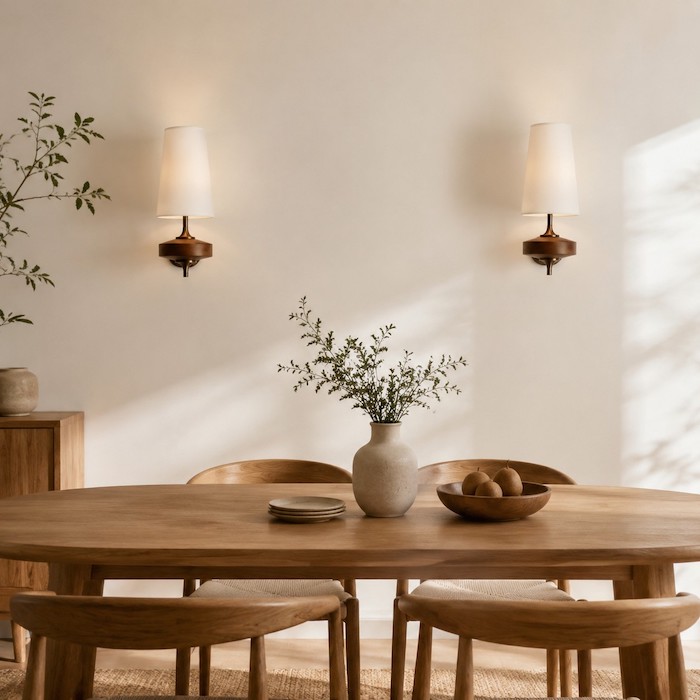
- Hardwired Aesthetics: A hardwired installation allows a beautiful wooden backplate to sit perfectly flush against the wall, making the lamp look like a natural extension of the architecture. It is clean, purposeful, and high-end.
- Plug-In Aesthetics: A black plastic cord dangling from a beautiful oak and linen sconce can severely cheapen the look. However, if managed correctly (which we will cover below), the cord can become a charming, relaxed design element that adds a touch of bohemian or industrial flair.
Specific Solutions and Pairing Suggestions for Wood and Fabric
Knowing the differences is only half the battle. How do you actually make these fixtures look incredible in your home? Here are specific, actionable design solutions for styling wood and fabric sconces.
Nailing the Hardwired Minimalist Look
If you have committed to hardwiring, precision is everything.
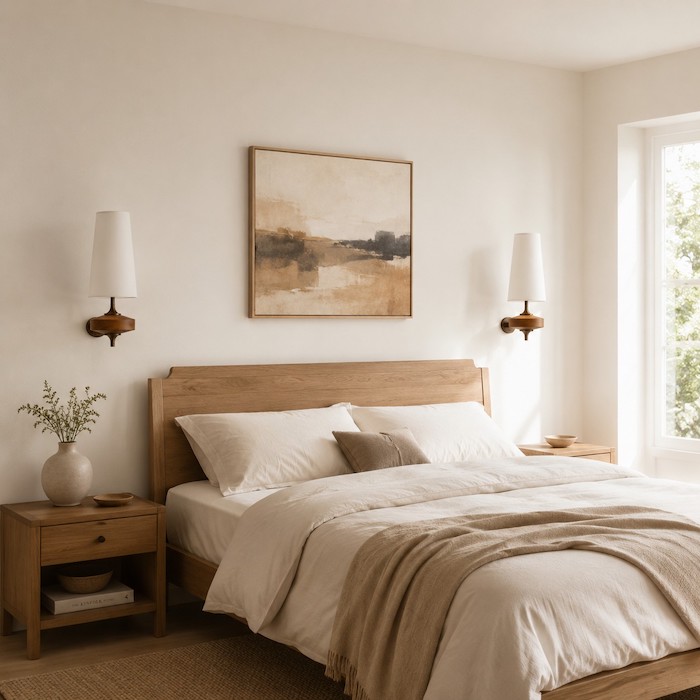
- Height is Crucial: For bedside reading, install the sconce so the bottom of the fabric shade sits about 76 to 91 cm above the top of your mattress. For a hallway or living room, aim for 152 to 165 cm from the floor (roughly eye level). If you are uncertain about the perfect placement for other specific rooms, our dedicated guide on What height should you choose for your wall lamp? Select the appropriate height for different spaces. will walk you through the exact measurements.
- Wall Color Pairing: To make the wood grain pop, contrast it with your wall color. If your sconce features light ash or birch wood, mount it against a rich, moody wall color like deep forest green or navy blue. If it features dark walnut, a crisp, warm white wall will highlight its silhouette beautifully.
Elevating the Plug-In Experience
If you are going the plug-in route, you must master cord management. Do not just let the wire hang loosely.
- Use a Cord Cover: Invest in a rigid metal or high-quality plastic cord cover (raceway). To maintain a high-end warm minimalist decor vibe, paint the cord cover the exact same color as your wall. This camouflages the wire, allowing the eye to focus solely on the textured fabric shade and wooden details.
- Embrace the Industrial-Chic Drop: Alternatively, if the sconce comes with a high-quality, fabric-wrapped cord (like twisted vintage cloth wire), let it hang perfectly straight down. Use small, elegant brass cable clips to secure it tightly to the wall, turning the functional cord into an intentional, linear design feature.
Common Mistakes and Pitfalls to Avoid
Even the most beautiful lighting can be ruined by poor execution. Watch out for these common traps when installing your sconces.
The Plug-In Pitfalls:
- The Floating Tension: Installing a plug-in sconce too far from the outlet, causing the cord to stretch diagonally across the wall. This looks incredibly sloppy. Always ensure the sconce is installed directly above the outlet so the cord drops perfectly vertical, or use an extension cord tucked neatly along the baseboard.
- Mismatched Cord Colors: Buying a gorgeous light-wood sconce that comes with a harsh, shiny black plastic cord, which clashes violently with a light-colored wall. Pay attention to the cord material before purchasing.
The Hardwired Pitfalls:
- The Backplate Mismatch: This is the most common and frustrating error. Standard US electrical junction boxes are usually 10 cm round or octagonal. If you buy a sleek, minimalist sconce with a tiny 7.6 cm wooden backplate, it will not cover the hole in the wall. Always verify that the canopy/backplate dimensions of the sconce are larger than your wall's electrical box.
- Forgetting the Switch: Hardwiring a sconce without planning how to turn it on. If the sconce does not have a built-in switch on its backplate, you must ensure your electrician wires it to a dedicated wall switch, adding to the labor cost and drywall cutting.
Our Top Recommendation: The Perfect Balance of Form and Function
Whether you are looking to hardwire an elegant hallway or add a plug-in reading light to your bedroom, finding a fixture that balances the natural beauty of wood with the soft diffusion of fabric is key.
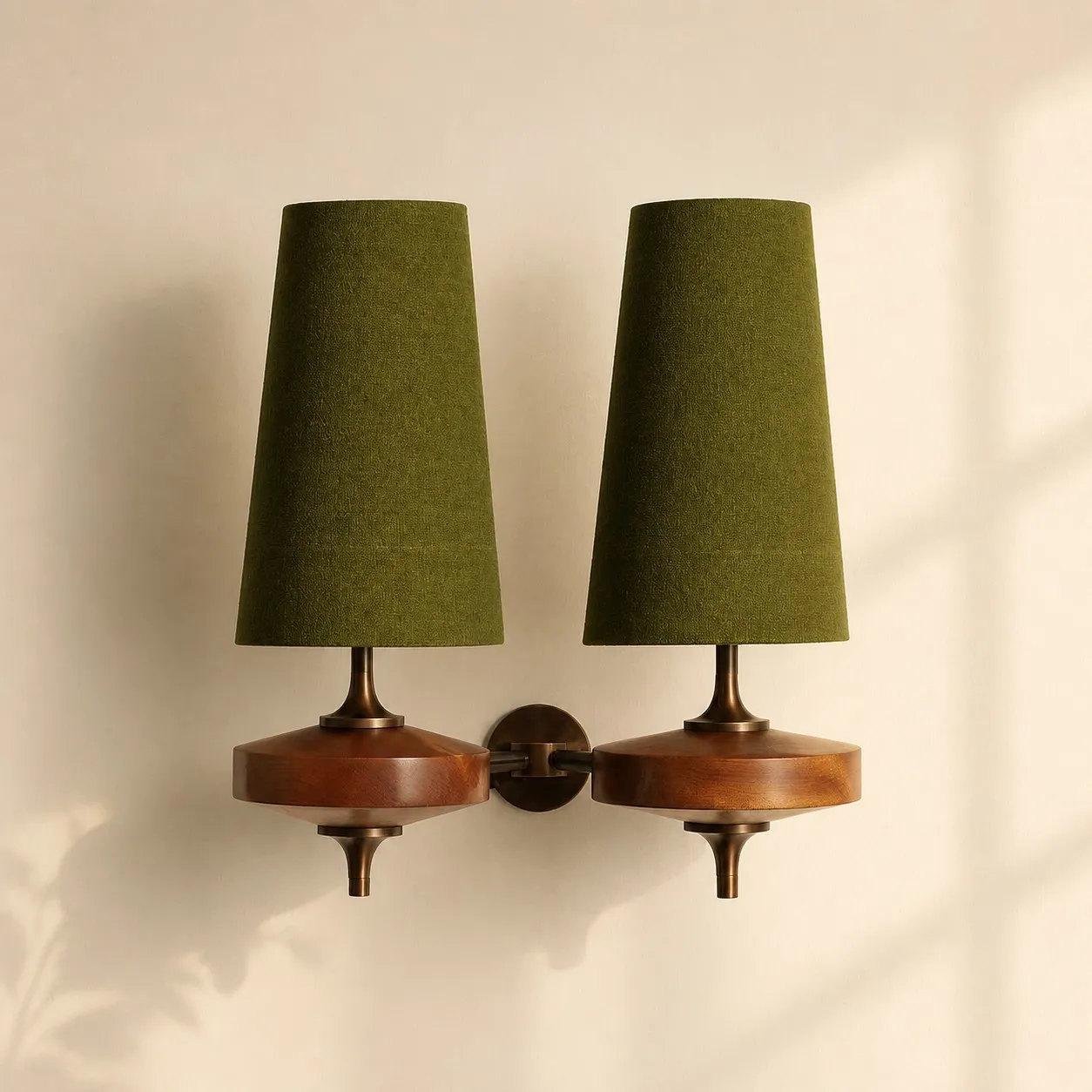
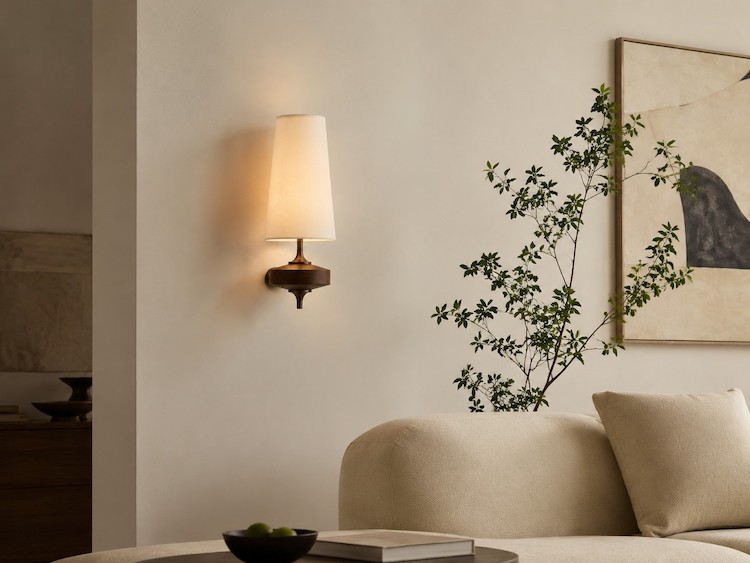
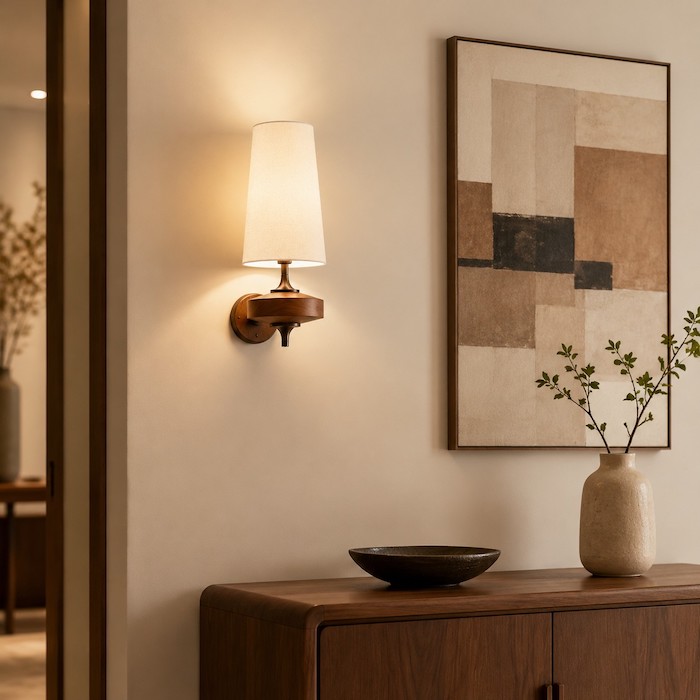
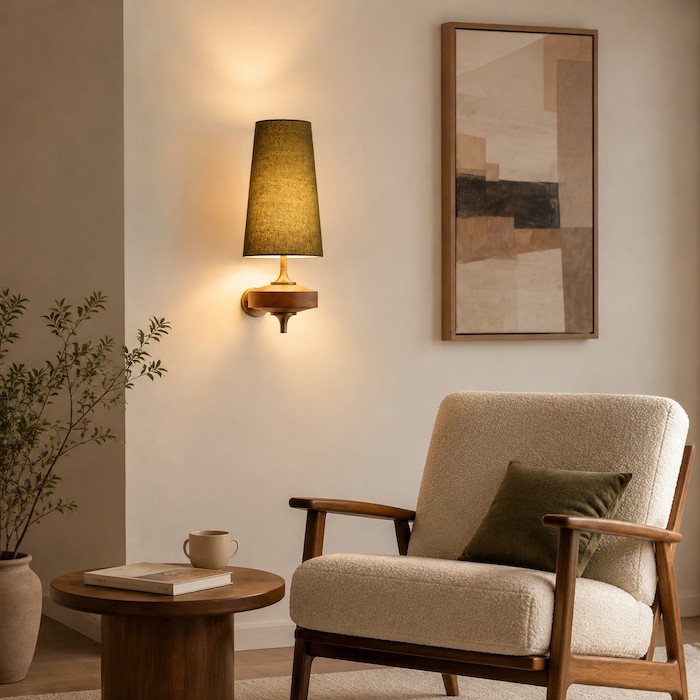
We highly recommend the Hour Rho Wall Lamp - Modern Wood Wall Sconce with Fabric Shade for Hallway and Living Room.
This exceptional piece embodies the essence of warm minimalism. The geometrically carved wooden body provides a sturdy, natural focal point, while the crisp fabric shade ensures the light emitted is flattering, soft, and completely glare-free. Its versatile design allows it to blend seamlessly into a modern Japandi bedroom, a cozy Scandi-inspired living room, or a sophisticated transitional hallway.
What makes the [Hour Rho Wall Lamp] stand out is its meticulous proportion. The wooden backplate is substantial enough to make a design statement while easily accommodating standard installation requirements. It proves that you do not have to compromise on aesthetic warmth when seeking functional, everyday lighting.
Frequently Asked Questions (FAQ)
Can I convert a hardwired wood sconce to a plug-in?
Yes, absolutely. You can purchase a plug-in conversion kit (which includes a cord, plug, and inline switch) from any hardware store. You simply wire the kit to the sconce's existing wires, thread the cord out the bottom of the backplate, and plug it in. However, you may need to notch a tiny hole in the wooden backplate so it sits flush against the wall with the cord coming out.
How much does it cost to hardwire a sconce if there is no existing wiring?
If an electrician needs to pull new wire from a distant power source, cut drywall, and install a new box, expect to pay between $150 and $300 per sconce, depending on your local labor rates and wall accessibility.
Are exposed cords considered tacky for modern decor?
Not necessarily. While ultra-sleek contemporary design shuns exposed cords, styles like Japandi, bohemian, and industrial embrace them—provided they are neat. Using a sleek cord cover painted to match the wall, or routing a fabric-wrapped cord cleanly with brass clips, keeps the look intentional and stylish.
Is it safe to install a hardwired sconce myself?
If you are simply replacing an existing sconce (swapping an old fixture for a new one on a pre-existing, switched junction box), it is a safe DIY project for a beginner, provided you turn off the power at the main breaker and use a voltage tester. However, running new electrical lines behind walls carries significant fire and electrocution risks and should always be left to a licensed professional.
What is the best height to install the Hour Rho Wall Lamp?
For general ambient lighting in a hallway or living room, install the sconce so the center of the light is roughly 152 to 165 cm from the floor. If using it as a bedside lamp, install it lower, typically so the bottom of the fabric shade is at shoulder height when you are sitting up in bed (around 76 to 91 cm above the mattress).