



Is Your Modern Wood Wall Sconce Too Bright? The Ultimate Dimmer Compatibility Guide
Yes, modern wood wall sconces can absolutely be too bright, especially when installed in intimate areas like hallways, bedrooms, or living rooms. However, you can completely eliminate harsh glare and achieve perfect ambient lighting by pairing your fixture with a dimmer switch—provided your LED bulb and the switch share the exact same dimming technology.
The ultimate success of your dimming setup does not depend on the wooden fixture itself, but rather on two critical, interdependent factors: the dimmability of your LED bulb and the engineering compatibility of your wall dimmer switch. If these two components do not align, your beautiful accent light will transform into an annoying source of flickering, buzzing, or inconsistent illumination.
Quick Answer
To fix or prevent a blindingly bright wood wall sconce, you must pair a certified dimmable LED bulb with a modern LED-rated dimmer switch (such as an Electronic Low Voltage/ELV switch or a specialized TRIAC dimmer).
Never attempt to control modern LED sconces using an old, legacy dimmer switch designed for traditional incandescent bulbs. Doing so is the primary cause of modern lighting failures, resulting in bulbs that buzz, flash like a strobe light, or refuse to dim below 50% of their total brightness.
Why Modern Wood Sconces Need Dimming
Unlike stark industrial metal fixtures or minimalist glass globes, a modern wood wall sconces is purchased specifically for its organic warmth and texture. Wood is a natural material that reacts beautifully to light; however, it requires the right intensity of light to truly shine.
When a wood sconce is blasting light at 100% capacity, the intense brightness washes out the organic grain of the timber and obliterates the fine weave of fabric shades. High glare creates harsh shadows on your walls, defeating the purpose of a cozy accent light.
By introducing a compatible dimmer, you lower the lumen output, allowing the light to gently graze the wooden surface. This low-intensity illumination accentuates the natural rings, grain variations, and warm tones of the wood while transforming a linen or cotton shade into a soft, glowing lantern. Dimming changes the fixture from a purely utilitarian light source into a sculptural design element.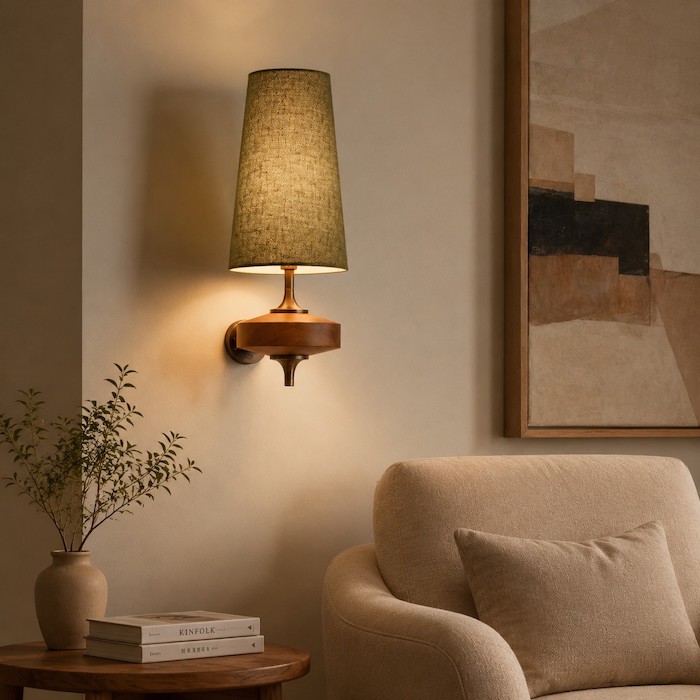
Basic Rule
When setting up or troubleshooting a dimmable wall light, you must follow the Driver-Bulb-Switch Triad Rule. This rule states that the wall switch, the bulb's internal driver, and the household electrical current must work in perfect harmony.
To ensure this harmony, you must understand the two primary types of phase-cut dimming used in residential properties today:
- TRIAC Dimming (Leading-Edge): This is the older, traditional style of dimming. It works by cutting off the front edge of each alternating current (AC) electrical wave. While TRIAC dimmers are highly affordable and widely available, cheaper LED bulbs often struggle with them, resulting in an audible buzz or slight flicker at low dimming levels.
- ELV Dimming (Trailing-Edge): This is modern, electronic dimming designed specifically for sensitive electronics like LEDs. It cuts off the trailing edge of the electrical wave. ELV dimming provides incredibly smooth, silent dimming control down to 1% or 2% brightness, making it the superior choice for premium home lighting.
Additionally, always calculate your load using the 80% Wattage Safety Rule. Your total combined bulb wattage should never exceed 80% of the dimmer switch’s maximum rated capacity for LED loads. Note that a switch rated for 600W of incandescent light may only be rated for 150W of LED light due to the high inrush current of light-emitting diodes.
| Dimmer Type | Best Used For | Pros | Cons |
|---|---|---|---|
| TRIAC (Leading-Edge) | Budget installations; standard dimmable LED bulbs. | Inexpensive, widely compatible with older wiring. | Can cause low-end buzzing or flickering. |
| ELV (Trailing-Edge) | High-end LED fixtures; fabric-shaded sconces requiring micro-adjustments. | Completely silent; ultra-smooth dimming curves down to 1%. | Higher initial component cost. |
The 3-Step Dimmer Compatibility Test
Before you buy a new wall switch or call an electrician, you can perform this straightforward, non-invasive compatibility test at home to identify exactly why your wood sconce is too bright or why your current dimmer is failing.
Step 1: Inspect the Bulb’s Birth Certificate
Turn off your wall switch, allow the fixture to cool, and carefully remove the bulb from your wood sconce. Look closely at the printed specifications on the ceramic or plastic base of the bulb. You are hunting for the explicit word "DIMMABLE".
Critical Judgment: If the bulb does not explicitly say "Dimmable," it cannot be dimmed. Non-dimmable LED drivers cannot handle altered voltage; attempting to dim them will destroy the bulb's internal circuitry and create a fire hazard.
Step 2: Identify Your Switch's True Identity
Remove the plastic faceplate of your wall switch (no wiring work required for this step). Look for a model number or label on the metal housing of the switch. Cross-reference this model number online to see if it is rated for LED/CFL bulbs or if it is an ancient Incandescent-Only model. If it is an incandescent-only switch, it must be replaced to work with modern LED wood sconces.
Step 3: Execute the Low-End Trim Test
If you already have an LED-rated dimmer but your lights are flickering at low levels, turn the dimmer down to its lowest setting. Many modern dimmers feature a tiny, adjustable dial or lever hidden behind the faceplate called a low-end trim.
Use a small screwdriver to turn this dial clockwise until the flickering stops. This sets a minimum voltage floor, ensuring your wood sconce can dim as low as possible without losing steady electrical current.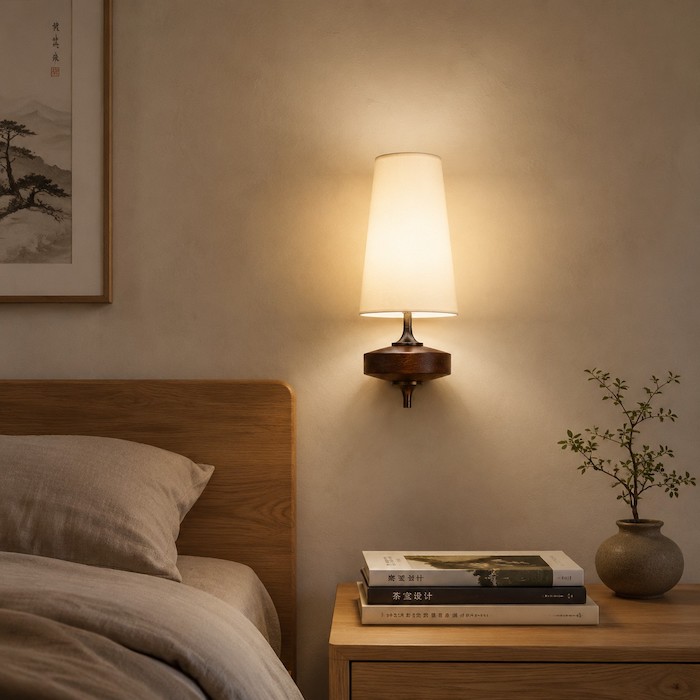
When to Choose This Option
Integrating a dedicated wall dimmer switch with your wood sconce is the ideal solution under the following specific living conditions:
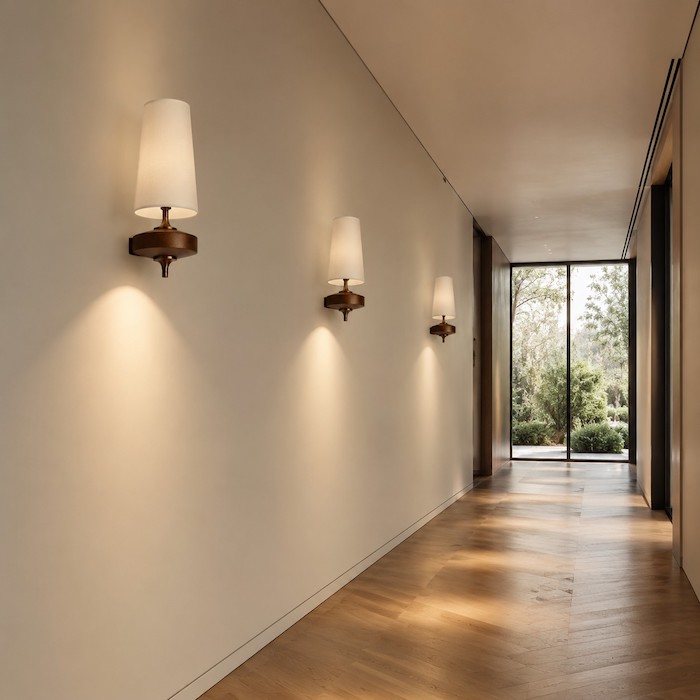
- Multifunctional Hallways and Living Rooms: Choose a dimmer if your space changes its identity depending on the hour. A hallway needs bright, clear light at 10:00 AM for cleaning and safety, but requires a hushed, low-glare golden glow at 10:00 PM to create a relaxing environment.
- Textured Wall Surfaces: If your wood sconce is mounted against textured wallpaper, exposed brick, or shiplap, dimming the light creates beautiful grazing shadows that highlight the architectural character of your walls.
- Circadian Rhythm Alignment: If you use your living room or bedroom for winding down in the evening, dimming your wood sconces to a low level signals your brain to produce melatonin, helping you sleep better.
When to Avoid This Option
Do not install a traditional wall dimmer switch if you fall into any of these specific categories:
- You Are Deploying Smart Bulbs: If you plan to install a smart bulb (such as Philips Hue or equivalent wireless options) into your wood sconce, do not connect it to a hardwired wall dimmer. Smart bulbs possess built-in computer chips that handle dimming via a smartphone app or voice control. Feeding a smart bulb chopped voltage from a wall dimmer will starve the chip of power, causing it to drop offline, flash wildly, or burn out prematurely. Instead, read our guide on how to choose the right LED bulb for smart setups.
- The Fixture Lacks a Dimmable Driver: If you purchase an integrated LED wood sconce (where the LEDs are permanently built into the wood) and the manufacturer specifies that the integrated driver is non-dimmable, a wall switch will not solve your brightness problem. In this specific scenario, you must swap out the internal driver or use a lower-lumen non-dimmable alternative.
Common Mistakes
- The "Legacy Switch" Trap: Homeowners frequently spend hundreds of dollars on gorgeous modern wood lighting, only to wire them directly into a 15-year-old wall dimmer. Legacy dimmers cannot read the low electrical draw of modern LEDs, resulting in zero dimming control or severe bulb damage.
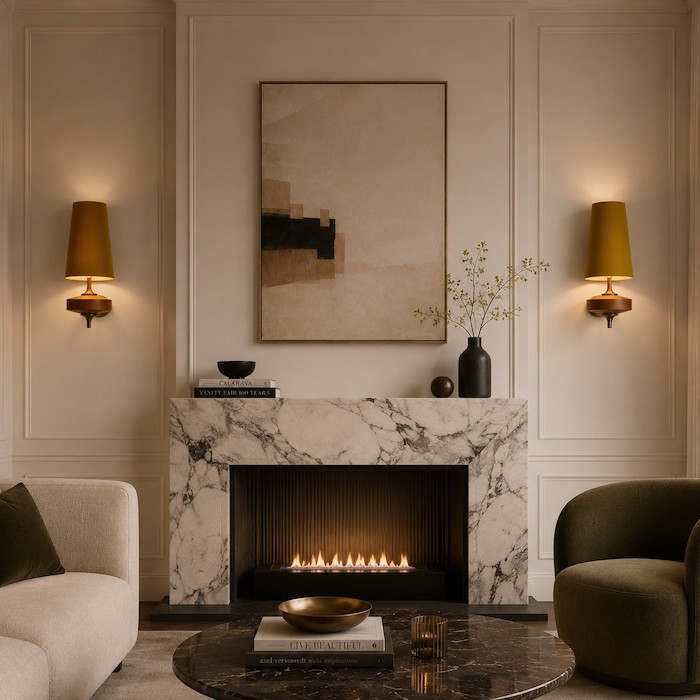
- Mixing Bulbs on a Multi-Sconce Circuit: If your living room features a pair of matching wood sconces on a single switch, always buy two identical bulbs from the exact same manufacturing batch. Mixing brands, or even mixing different production runs from the same brand, causes uneven dimming rates where one sconce dims faster than the other.
- Ignoring the Minimum Load Requirements: Many older or industrial-grade dimmers require a minimum load of 40W to operate. A highly efficient modern LED wood sconce might only draw 8W to 12W of power. If your total load falls below the switch's minimum threshold, the light will simply refuse to turn on, or it will flicker continuously. If you are already experiencing this headache, explore our step-by-step diagnostic guide: How to Fix a Flickering Wall Light.
Recommended Products / Collections
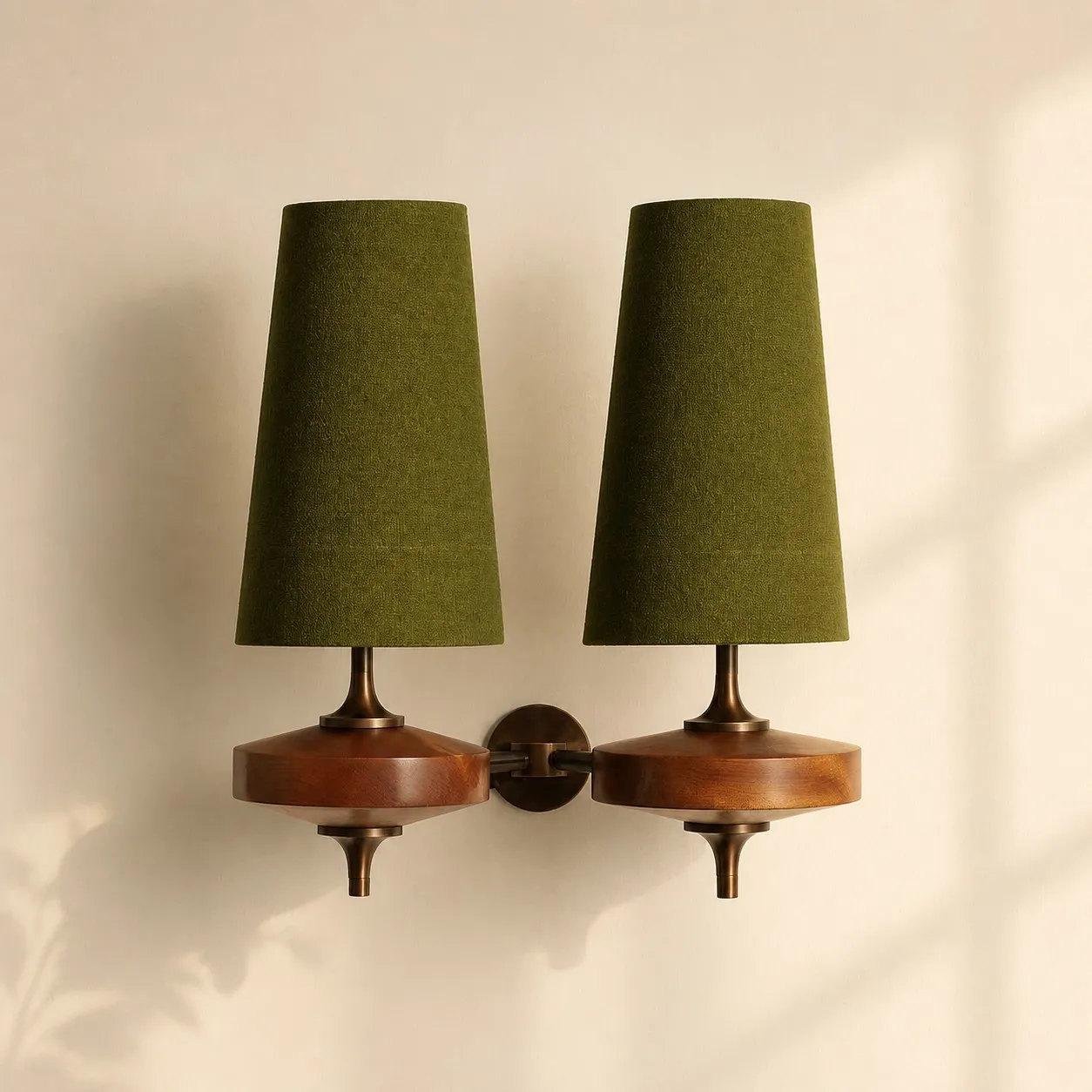
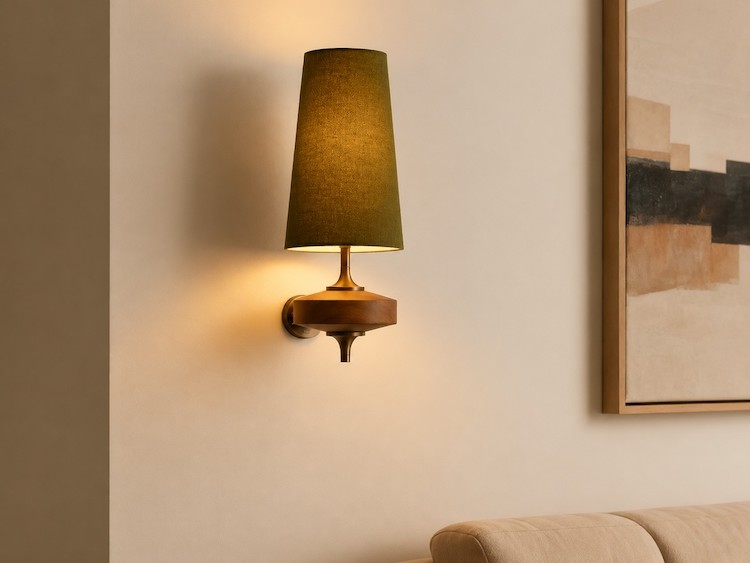
If you are looking for a lighting fixture designed to maximize the beauty of dimmable ambient light, look no further than the Hour Rho Wall Lamp - Modern Wood Wall Sconce with Fabric Shade for Hallway and Living Room.
| HOUR RHO WALL LAMP SPECS | |
|---|---|
| Base Material | Premium Solid Walnut / Oak Wood |
| Shade Material | Natural Textured Linen Fabric |
| Socket Type | Standard E26 / E27 Screw Base |
The Hour Rho Wall Lamp - Modern Wood Wall Sconce with Fabric Shade for Hallway and Living Room is highly recommended for dimming upgrades because it utilizes a standard E26/E27 screw base. This design element gives you complete freedom to select the exact brand of dimmable LED or smart bulb that matches your existing home automation or wall switch setup.
When dimmed low, its premium linen shade diffuses light across the rich wood grain, making it an excellent addition to a cozy living room layout or an elegant hallway. For more inspiration, explore our full hallway and living room lighting layout collection.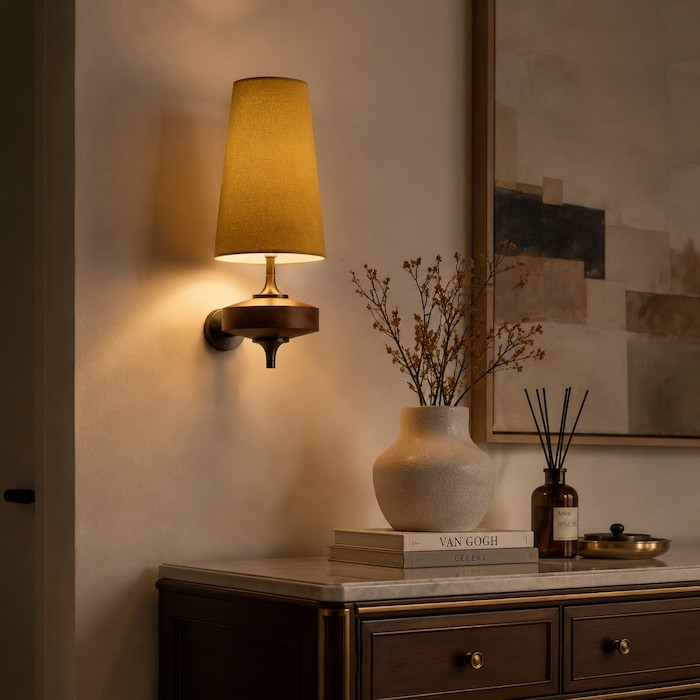
FAQ
Q: Why does my wood sconce hum or buzz when I dim it?
A: Humming is a mechanical vibration caused by electromagnetic stress inside the bulb’s driver or the switch itself. This occurs when a standard TRIAC dimmer chops the electrical current too abruptly for the bulb to process. Upgrading your wall switch to an ELV (Electronic Low Voltage) model almost always eliminates this audible buzz entirely.
Q: Can I use a smart plug to dim my hardwired wall sconce?
A: No. Smart plugs are designed exclusively for portable lamps that plug into standard baseboard outlets. Hardwired wall sconces, which connect directly to your home's internal electrical junction boxes, must be controlled via a dedicated wall switch or a compatible smart bulb.
Q: What color temperature should I choose for a dimmable wood sconce?
A: For wood and fabric fixtures, always opt for warm white bulbs rated between 2700K and 3000K. When these color temperatures are dimmed down to low levels, they mimic the rich, amber glow of candlelight, which beautifully complements the organic, earthy tones of natural wood grains.