



Why Am I So Anxious at Night? How Lighting Affects Mood and Sleep
Have you ever laid in bed, completely exhausted to your bones, yet your heart is racing and your mind is buzzing with a thousand anxious thoughts? You are certainly not alone. While daily stress and fast-paced modern lifestyles play a massive role, one of the most overlooked culprits of bedtime anxiety is staring you right in the face: your bedroom lighting.
The direct conclusion? Lighting does not just illuminate a physical space; it acts as a direct, physical switch for your nervous system. Soft, diffused light—specifically the kind perfectly filtered through natural linen or fabric shades—directly calms your nervous system and helps ease pre-sleep anxiety. It effectively eliminates harsh glare and signals your brain’s suprachiasmatic nucleus (your internal clock) that the day is over and it is safe to rest.
Quick Answer: The Science of Soothing Illumination
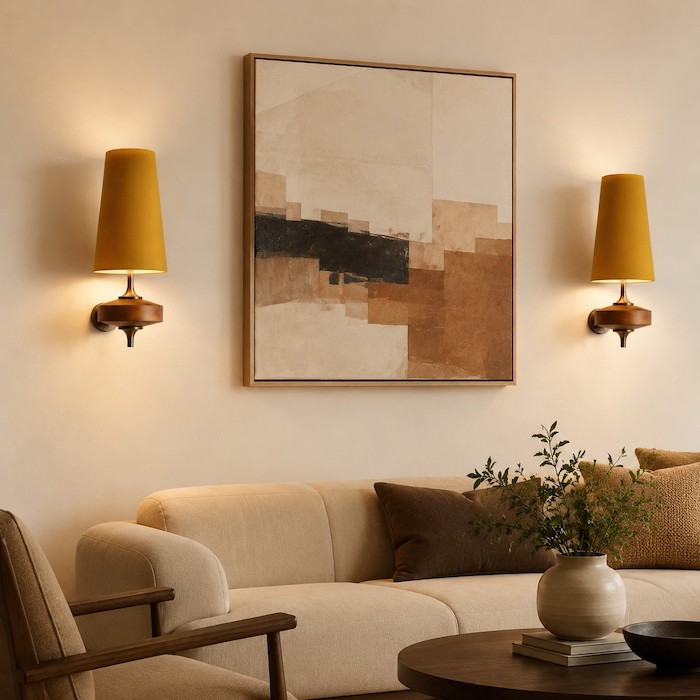
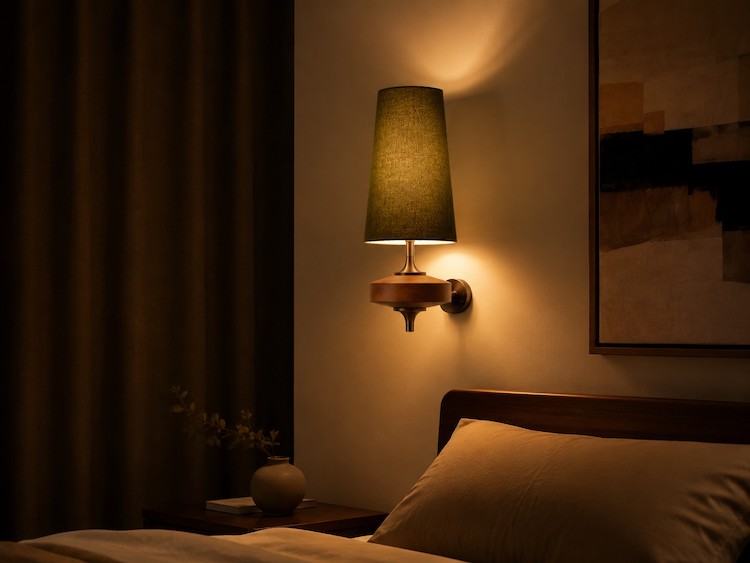
To put it simply: yes, the type of light you are exposed to in the evening directly dictates your mood and sleep quality. Harsh, bright, or blue-toned lights severely overstimulate the brain, increase cortisol, and trigger forced alertness. Conversely, soft, warm, diffused lighting—like the gentle glow beautifully filtered through a high-quality fabric or linen shade—mimics the natural, fading light of a sunset.
This visual sunset cue acts as a powerful trigger for your brain to start producing melatonin.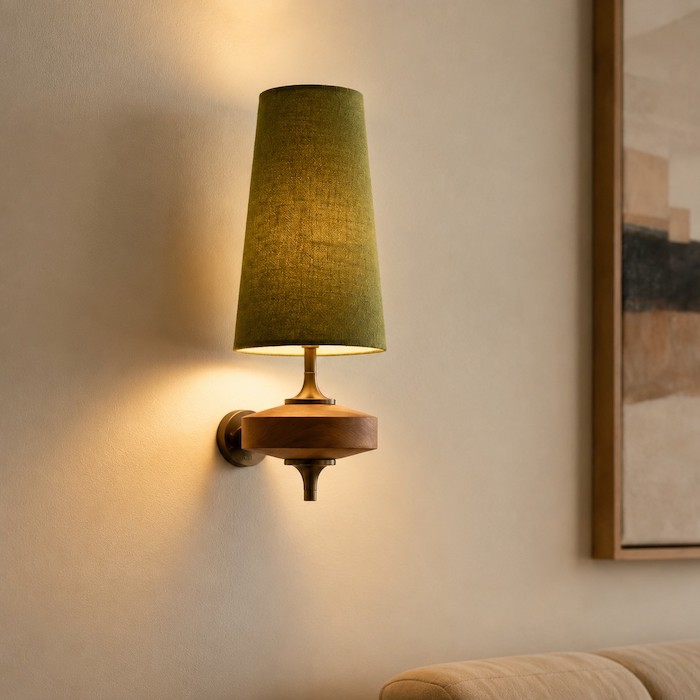
Basic Rule: The Bedtime Lighting Formula
To transform your bedroom into an anxiety-free sanctuary, you need to follow strict physical parameters. Here is the definitive formula:
| Feature | The Anxiety-Reducing Standard |
|---|---|
| Color Temperature | 2700K to 3000K (Warm White) |
| Brightness | Under 400 Lumens per fixture |
| Diffuser Material | Opaque Fabric or Heavy Linen |
| Placement Height | Eye-level or lower |
The final piece of the puzzle is placement. If you mount your lights too high, you lose the cozy 'sunset' effect. To ensure you install them at the perfect level for maximum relaxation, check out our guide on What height should you choose for your wall lamp? Select the appropriate height for different spaces. to find the exact mounting height that turns your bedroom into a sanctuary. 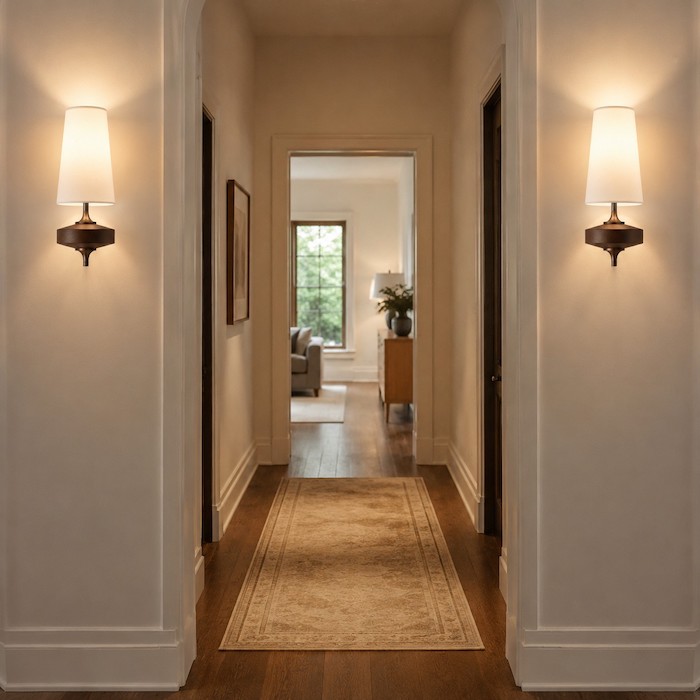
When to Choose This Option: Scenarios for Diffused Lighting
Soft, fabric-diffused lighting is a targeted, physical intervention for specific emotional needs:
- Racing Thoughts: A warm, linen-shaded lamp provides gentle illumination for reading without overstimulating your optic nerve.
- Midnight Awakenings: Low-lumen sconces allow for safe passage without breaking your sleep cycle.
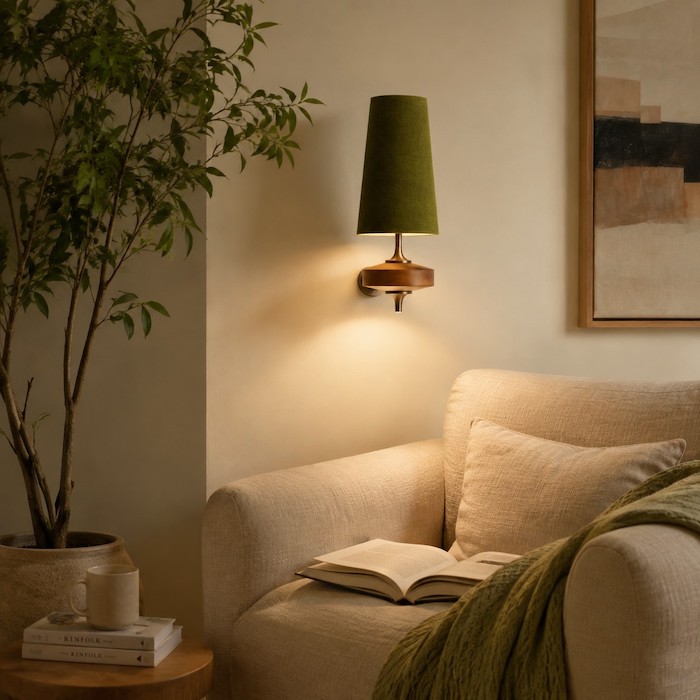
- Mindfulness Spaces: Natural textures contribute to biophilic design, which actively lowers blood pressure. Learn more in our article: In-Depth Review: The Ultimate Guide to Modern Wood Fabric Sconces—Wood Grain, Fabric, and Light Effect Analysis.
When to Avoid This Option: Where Soft Light Fails
You should strictly avoid this cozy lighting setup in areas requiring high cognitive function, such as home offices, kitchen prep areas, and bathroom vanities. In these spaces, you need crisp, high-lumen, shadow-free illumination to maintain focus and safety.
Common Mistakes Killing Your Evening Vibe
Are you inadvertently making these critical errors?
- The "Interrogation Room" Effect: Relying on a single, harsh central ceiling light.
- Exposed Bulbs: Using clear glass that offers zero diffusion. This causes constant visual stress. .
- "Daylight" Bulbs: Using 5000K+ bulbs that completely halt melatonin production.
Recommended Products: The Physical Solution
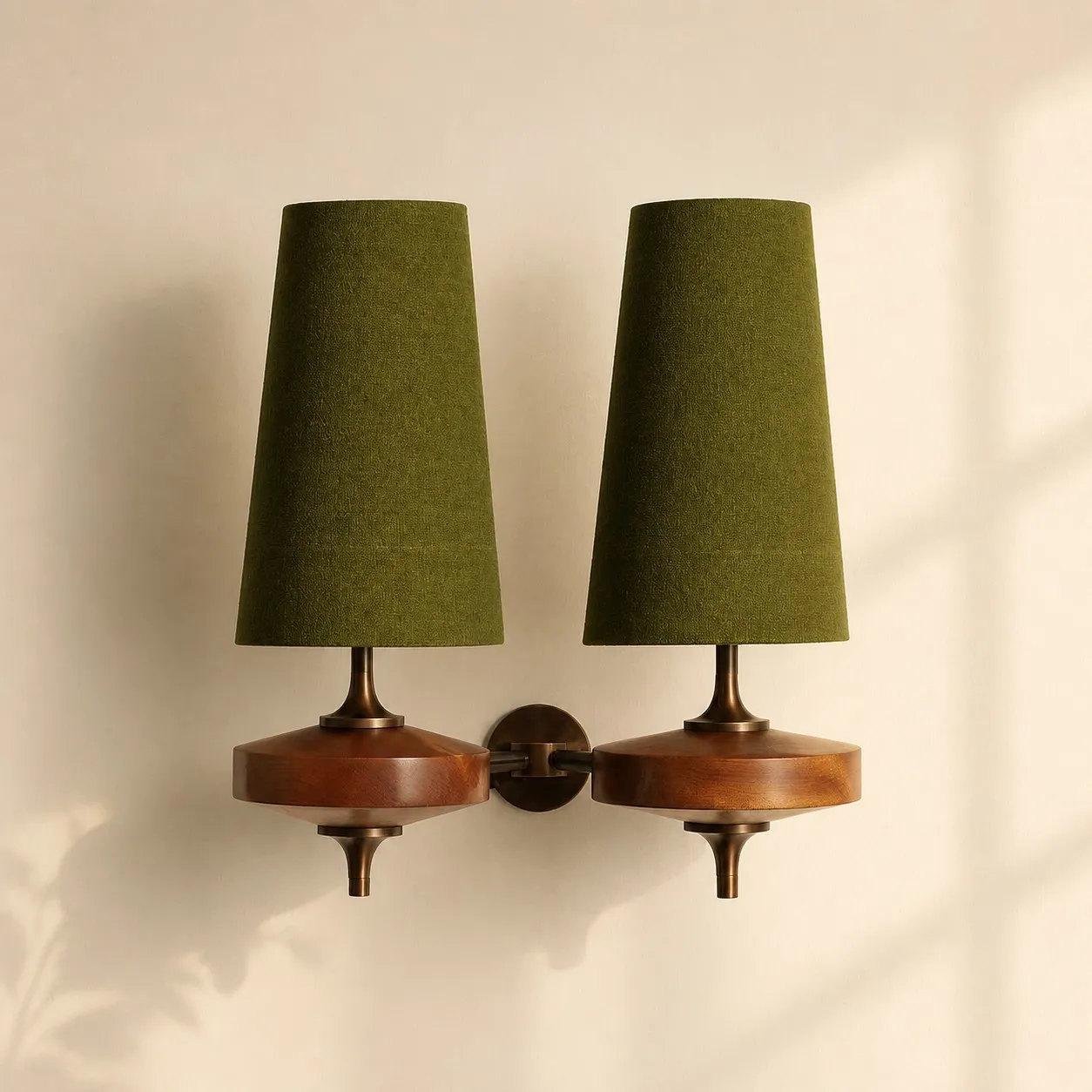
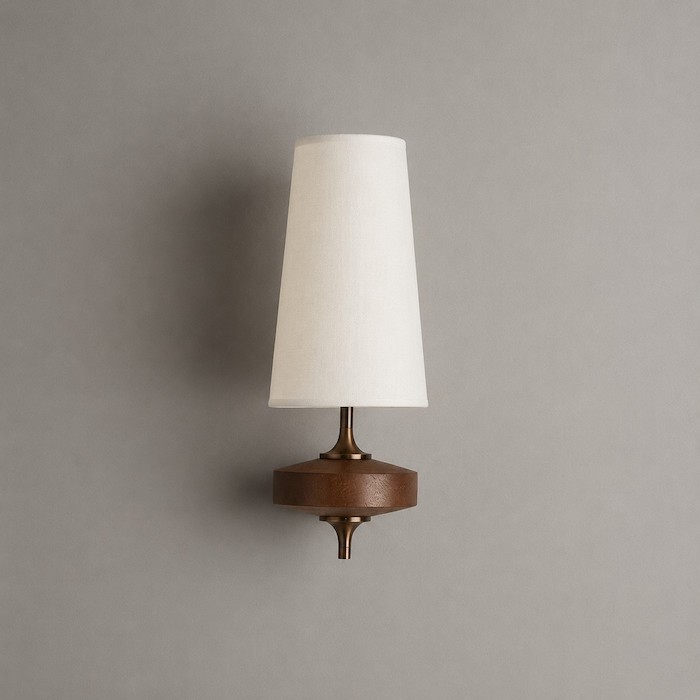
To effectively eliminate glare and create a calming environment, we highly recommend the Hour Rho Wall Lamp - Modern Wood Wall Sconce with Fabric Shade.
This fixture is engineered with mental unwinding in mind. The high-quality fabric shade meticulously scatters light into a soft, cloud-like glow.
FAQ
Q: What color light is scientifically best for reducing anxiety?
A: Warm white, amber, or slightly red-toned lights (2700K or lower) are best, as they mimic the natural glow of a sunset.
Q: Does a linen shade really make a difference?
A: Yes. Woven fibers act as a multi-layered filter, scattering light rays more evenly than frosted glass to create a velvety, glare-free illumination.
Q: Can I use LED bulbs inside a fabric shade?
A: Absolutely. LEDs remain cool to the touch and are the safest, most efficient choice for fabric-shaded fixtures.