



Why Do Wall Sconce Bulbs Keep Burning Out or Running Hot?
Repeated early bulb failure or unusual heat is a symptom, not a reason to keep trying replacements. First confirm that the bulb matches the socket, fixture limits, enclosure conditions and any dimmer. Then inspect only what can be seen safely with power off. Burning odor, discoloration, crackling, looseness or persistent flicker means the hardwired fixture should remain off until a qualified electrician checks it.
Separate Normal Warmth from Warning Signs
All operating lamps create heat. With LEDs, much of it is managed around the base and electronic driver rather than radiated forward like an older filament source. A fixture can therefore feel warm while operating normally. What matters is change and evidence of damage.
Switch off immediately for a burning smell, smoke, browning, melting, crackling, visible arcing, a loose socket, or flicker that continues after a known-compatible bulb is installed. Do not touch the bulb or shade until everything has cooled. Do not remove the fixture from the wall or open wiring compartments yourself.
The broader selection sequence in Fabric Shade Wall Sconces: Bulbs, Lumens & Heat Guide helps prevent a mismatch before it becomes a troubleshooting problem.
Cause 1: The Bulb Meets the Base but Not the Conditions
A matching screw base proves only mechanical format. The bulb also needs to fit within the shade, remain clear of fabric, comply with the fixture's stated limit, and be approved for the intended operating environment and orientation. Some bulbs are not intended for confined or partially enclosed locations because heat around their electronics can shorten service life.
Read the exact bulb package and fixture instructions. Do not infer permission from the word LED, from a marketplace category or from another bulb that happens to fit. For Hour Rho, the confirmed starting point is E26; How to Choose an E26 LED Bulb for a Fabric Sconce covers the remaining purchase checks.
Confirm the current Hour Rho socket, format and installation information before replacing a failed bulb. Product details and bulb markings should agree before power is restored.
Check Hour Rho DetailsCause 2: Heat Cannot Leave as Intended
Heat problems are not solved by opening holes, removing shade parts or improvising spacers. Keep designed openings clear, prevent the bulb from touching the fabric, and avoid adding decorative covers inside the shade. Dust buildup around ventilation paths can also hold heat, so clean only after power is off and the fixture is cool, following the supplied care directions.
Physical fit deserves another look after installation. A bulb may clear the shade when cold but sit uncomfortably close because the shade was assembled off-center. If the shade is bent, damaged or no longer secure, correct the product assembly according to its instructions before further use.
Cause 3: The Dimmer and LED Do Not Work Together
Dimming requires a compatible bulb and control. Typical mismatch symptoms include buzzing, a narrow usable range, flashing at low settings, delayed start or a faint glow after switch-off. These symptoms do not prove the dimmer is the only cause, but they give an electrician useful evidence.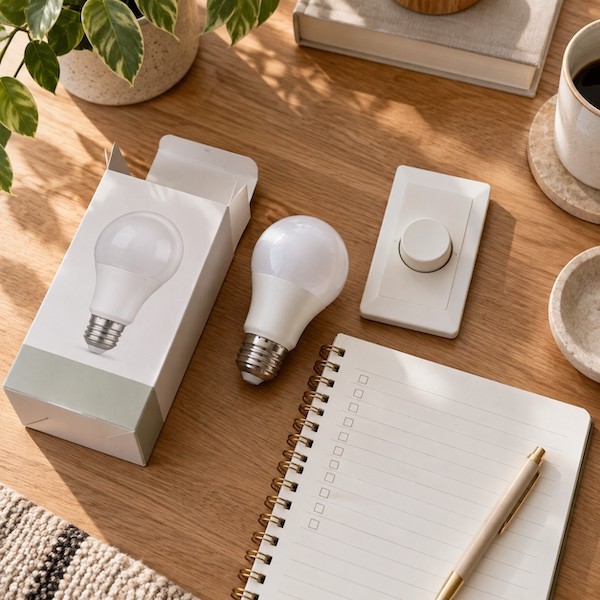
Test only within the product instructions. If a simple non-dimming circuit and a suitable bulb operate normally while the dimmed configuration does not, record the bulb model and control model for professional review. Do not change hardwired controls while diagnosing the fixture.
Cause 4: Socket Contact Is Loose or Damaged
A bulb that is cross-threaded, under-seated or forced can make poor contact. With power off and the fixture cool, you may verify that the correct bulb turns smoothly and sits as the instructions describe. Stop if the socket moves, the threads look damaged, the bulb base is darkened, or the bulb cannot seat normally.
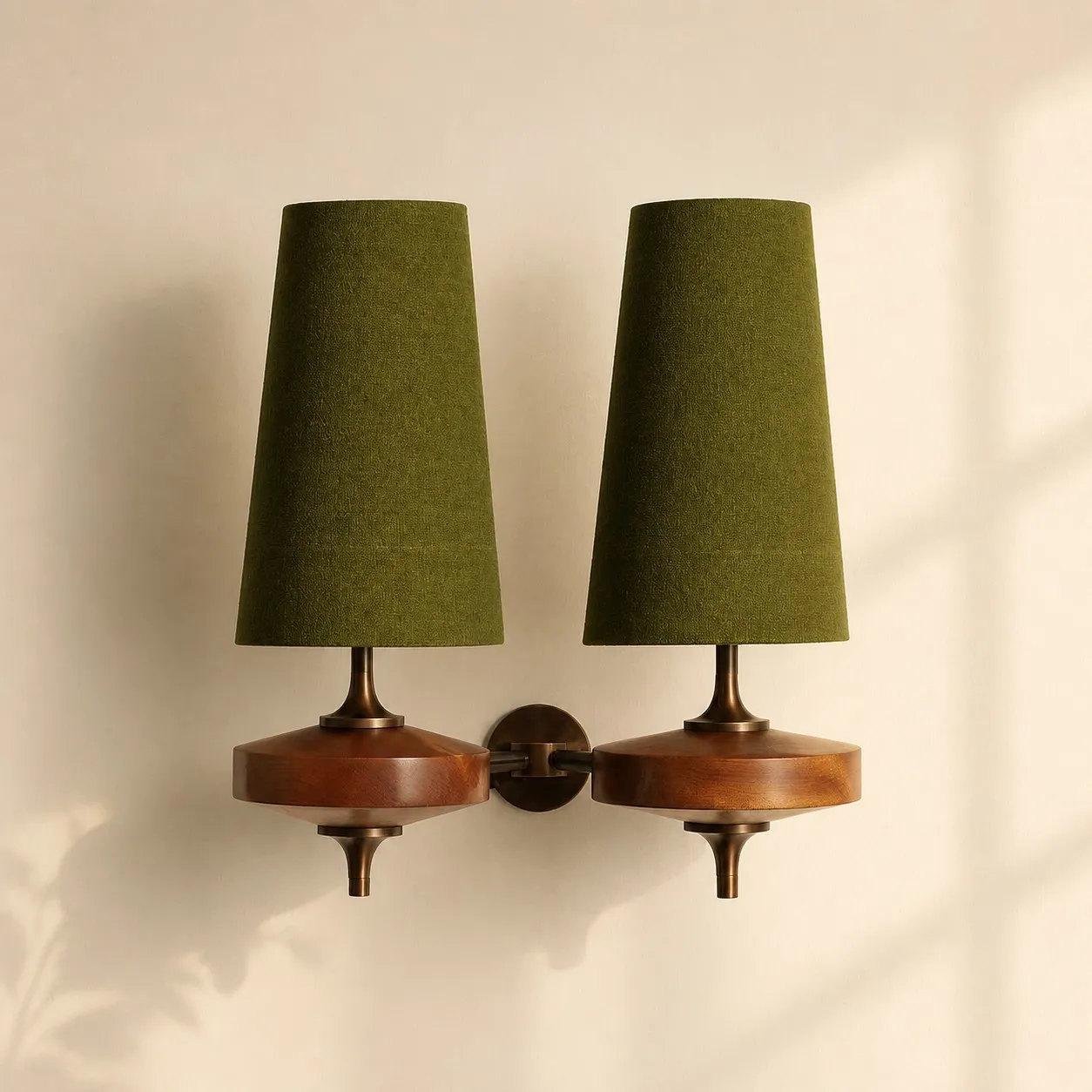
Do not bend internal contacts, insert tools or wrap the base to improve the fit. Those actions can create a shock or fire hazard and hide the evidence an electrician needs. Repeated failure on the same side of a two-head fixture is especially useful to document because it may isolate the problem to one socket or connection.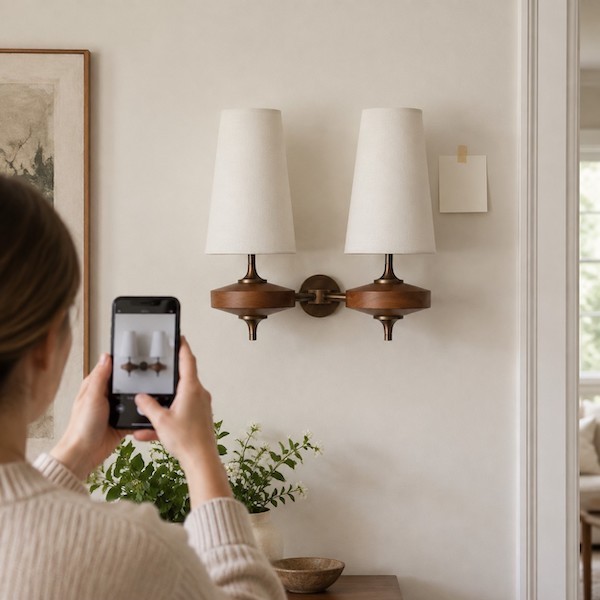
Cause 5: The Circuit or Connection Needs Inspection
If compatible bulbs fail in several fixtures, lights brighten and dim unexpectedly, a breaker trips, or the wall plate becomes discolored, the problem may extend beyond one lamp. Leave affected fixtures off and arrange inspection. The Electrical Safety Foundation International states that electrical work should be performed by a qualified electrician.
Hour Rho is a hardwired, UL Listed fixture. Listing does not make field wiring immune to loose connections, damaged controls or installation errors. A qualified professional can inspect the box, conductors, control, socket and supply conditions without relying on visual guesses from the room side.
If you are evaluating a hardwired Hour Rho installation, keep the selected variant and current product information available for the electrician.
Review Hour Rho SpecificationsUse a Symptom Log Instead of More Guesswork
| Record | Why it helps | Do not do |
|---|---|---|
| Bulb brand, model and package markings | Confirms claimed compatibility | Assume all bulbs with the same base behave alike |
| Which socket fails | Shows whether the pattern follows one position | Swap bulbs repeatedly after damage appears |
| Dimmer position and symptoms | Reveals control-related patterns | Replace hardwired controls during a DIY test |
| Odor, sound, flicker or discoloration | Communicates urgency and location | Keep operating the lamp to reproduce a hazard |
| Approximate service time | Distinguishes immediate from gradual failure | Rely on memory across several replacements |
If the Light Feels Hot Because It Is Too Bright
Brightness and heat should be evaluated separately. The Federal Trade Commission explains that lumens measure brightness while watts measure energy use. If the room feels glaring, select output by lumens and improve the lighting layers; do not diagnose brightness by touching the fixture.
If a fabric shade makes the useful area seem dim while the bulb itself looks intense, Does a Fabric Lampshade Make a Wall Sconce Too Dark? shows how to assess shade transmission, openings, wall color and task lighting. The safer solution may be another light layer rather than driving one shaded sconce harder.
Quick Fix Checklist
- Switch off for odor, discoloration, noise, looseness or unstable operation.
- Let the bulb and shade cool fully before visual inspection.
- Confirm the exact socket, bulb dimensions and package conditions.
- Check that fabric and designed openings remain clear.
- Verify dimmer compatibility when a dimmer is present.
- Record which socket fails and how long the bulb operated.
- Use a qualified electrician for a hardwired fault or repeated pattern.
For a new installation, pair Hour Rho with a correctly selected E26 LED from the start and keep the fixture instructions for future troubleshooting.
View the Hour Rho Wall LampFrequently Asked Questions
Is it normal for an LED wall sconce to feel warm?
Some warmth is normal. Odor, discoloration, deformation, noise, unstable light or repeated failure is not a routine condition.
Can a fabric shade cause an LED to fail?
The relevant issue is the bulb's approved operating conditions, clearance and heat path. Do not blame fabric alone or alter the shade.
Why does only one bulb fail in a two-head sconce?
A repeated one-sided pattern may help isolate fit, heat or socket contact. Leave damaged or unstable equipment off for professional inspection.
Can an incompatible dimmer shorten bulb life?
An incompatible combination can cause poor operation. Use a bulb and control stated to work together and have persistent symptoms checked.
When should I call an electrician?
Call for repeated failure, persistent flicker, loose or damaged sockets, tripping, odor, discoloration, crackling or any concern involving hardwired connections.